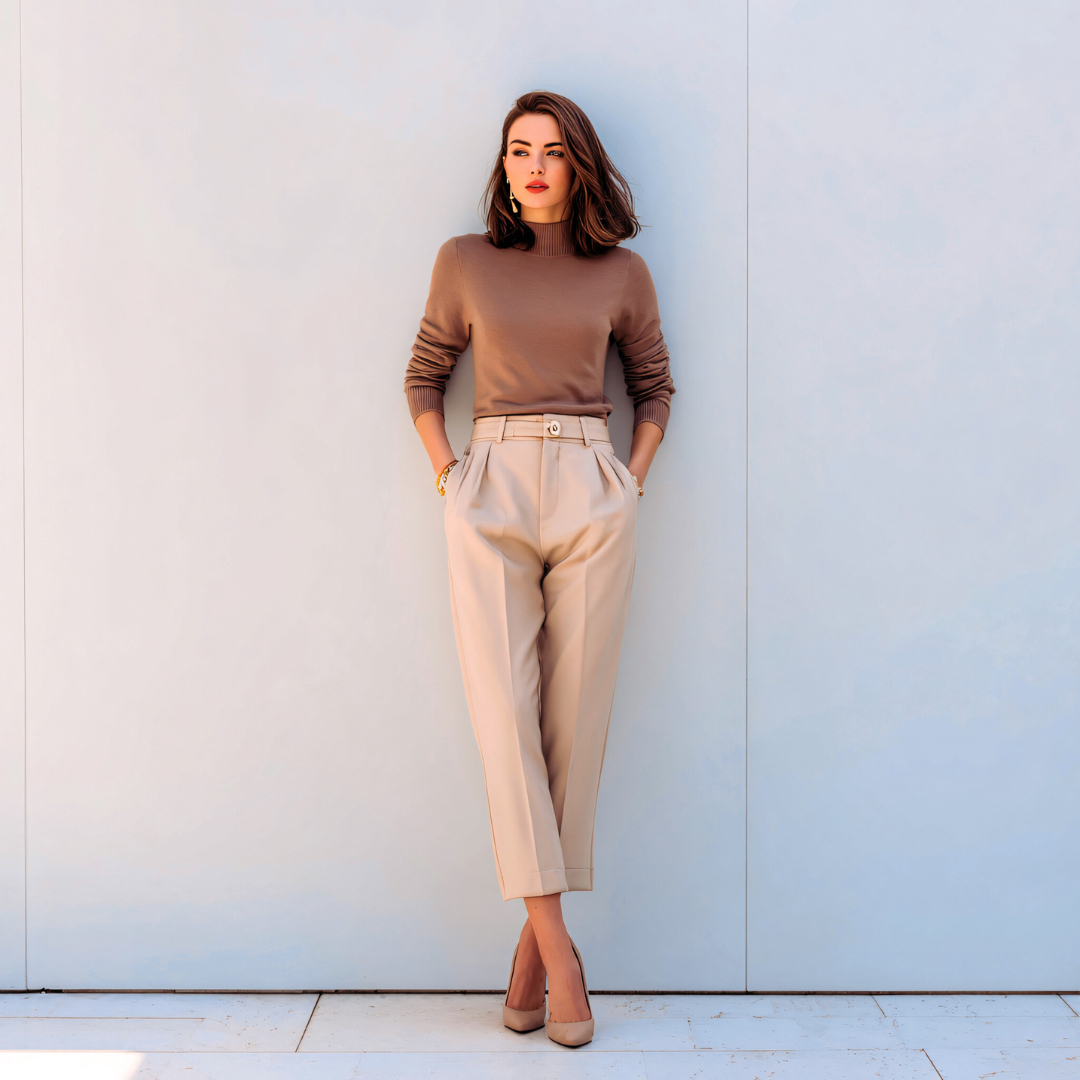
Styling basic outfits creatively is about adding simple but effective touches that transform plain pieces into standout looks. Incorporating unique accessories, mixing textures, and experimenting with layers can elevate even the most minimal wardrobe staples.
Understanding how to play with color contrasts and proportions helps create balance and interest without overwhelming the outfit. Small changes like cuffing jeans, adding a statement belt, or swapping shoes can make a big difference.
This approach makes it easy to express personal style without needing an extensive closet. Knowing these techniques saves time and money while keeping your look fresh and stylish every day.
Mastering the Foundations of Basic Outfits
Creating a strong base with essential pieces and understanding fit is crucial for styling basic outfits well. Choosing versatile items and knowing how they shape your look allows for effortless creativity.
Building an Essential Wardrobe
Start with timeless, neutral-colored basics that serve as the foundation for various styles. Items like a white t-shirt, dark denim jeans, and a tailored blazer offer flexibility. Invest in quality fabrics that hold up after repeated wear.
Aim for pieces that can be mixed and matched easily. This reduces clutter while maximizing outfit options. Avoid overly trendy or overly embellished items at this stage.
Use a basic color palette: black, white, navy, gray, and beige. These hues combine seamlessly and help keep looks polished without much effort.
Choosing the Right Base Pieces
Focus on simplicity and versatility when selecting base pieces. A crisp button-up shirt, slim-fit chinos, and a classic crewneck sweater are staples that work in numerous settings.
Prioritize neutral colors and clean cuts, which support layering and accessorizing. Avoid heavy patterns unless they complement your overall plan.
Consider seasonality; lightweight cotton for summer, wool or knit for colder months. This ensures comfort and practical use year-round.
Understanding Fit and Silhouette
Fit defines whether the outfit looks intentional or sloppy. Clothes should skim the body without tightness or excess fabric.
Silhouettes play a key role in balance. Pair fitted tops with relaxed bottoms for contrast, or vice versa, to create interest. Understanding your body shape helps in choosing flattering cuts.
Tailoring can improve fit dramatically. Even basic outfits benefit from minor adjustments to sleeves, waist, or length for a polished appearance.
Incorporating Statement Accessories
Statement accessories transform basic outfits by adding texture, color, and visual interest. Choosing the right pieces can highlight simplicity while expressing personal style. Focus on bold jewelry, distinct belts, scarves, hats, and impactful bags and shoes.
Using Jewelry to Elevate Simplicity
Large, unique jewelry pieces instantly lift simple outfits without overpowering them. Opt for chunky necklaces, oversized hoops, or geometric earrings in metals like gold or silver to add sophistication. Layering delicate chains with one statement piece creates balance and depth.
Colorful gemstones or enamel details inject personality into a neutral palette. Avoid overly intricate designs that might clash with the simplicity of the base outfit. Instead, select jewelry that serves as a focal point and complements the look’s color scheme.
Styling with Belts, Scarves, and Hats
Belts define shape and add structure to loose or plain clothing. Wide leather belts or patterned fabric belts can break monotony and highlight the waist. Scarves in vibrant prints work as neckwear, hair accessories, or bag accents, offering versatile styling options.
Hats, such as fedoras or berets, instantly elevate casual wear by adding an element of style and intentionality. Choose colors and shapes that match or contrast effectively with the outfit. Keep proportions in mind to maintain balance.
Bags and Shoes That Make an Impact
Bold bags introduce personality through shape, color, and texture. Structured handbags or those with distinctive hardware or patterns strengthen a basic outfit’s character. Consider unusual materials like woven leather, acrylic, or metallic finishes.
Statement shoes, including brightly colored sneakers, animal prints, or sculptural heels, grab attention at the ground level. Matching shoe accents with other accessories, such as belts or jewelry, creates cohesion. Prioritize statement pieces that remain functional and appropriate for the occasion.
Layering Techniques for Everyday Creativity
Layering transforms simple outfits into visually interesting looks through thoughtful combinations. It involves playing with texture, fit, and outerwear to produce balance and highlight key pieces.
Mixing Textures and Fabrics
Combining different fabrics adds depth to an outfit. Pair smooth materials like silk or satin with rougher fabrics like denim or wool for contrast.
For example, a cotton tee under a leather jacket creates an unexpected mix that feels modern. Avoid layering too many similar textures to maintain visual clarity.
Think about lightweight knits with heavier outer layers to keep the look balanced. Using textures strategically draws attention and prevents an outfit from looking flat or monotonous.
Balancing Proportions
Layering works best when you balance fitted and loose pieces. If you wear a bulky sweater, pair it with slim jeans or tailored pants.
Keep layers diverse in length—crop tops with longer cardigans create visual interest. Avoid doubling oversized layers that can swamp your frame.
Use layering to highlight or slim down parts of your body by controlling volume. The right proportions make your outfit look intentional and well put together.
Outerwear as a Style Statement
Outerwear finishes your layered look and can define your style. A trench coat adds sophistication, while a bomber jacket brings casual edge.
Choose outerwear pieces with unique details like exaggerated collars, buttons, or textures. This elevates even basic layers underneath.
Opt for colors that complement or contrast your core outfit to draw the eye. Outerwear should fit well and enhance the silhouette for maximum impact.
Color Combinations and Prints for Unique Looks
Choosing the right mix of colors and prints can transform a simple outfit into a striking ensemble. Thoughtful pairing helps create depth and keeps basic pieces fresh and dynamic without overwhelming the look.
Playing with Color Palettes
Start with a base color that suits your skin tone and build around it using complementary or analogous shades. For example, pair a soft beige top with olive green pants for an earthy, balanced vibe.
Use the color wheel to experiment:
- Complementary colors (opposites on the wheel) like navy and rust add contrast.
- Analogous colors (neighbors on the wheel) like teal and blue create harmony.
Incorporate pops of bright colors through accessories or layers. A red belt with monochrome neutrals can give a subtle yet powerful twist. Don’t hesitate to mix muted tones with vivid hues; this contrast often attracts attention without being loud.
Incorporating Patterns with Basics
Mix patterns strategically by balancing scale and color. Large prints like florals or geometric shapes work best with smaller, subtle prints such as stripes or dots. For instance, wear a striped blouse under a floral blazer to add complexity without clashing.
Keep the color palette consistent across patterns to maintain cohesion. A black and white striped tee pairs well with a leopard print scarf if both contain black tones. Avoid overloading outfits by limiting print combinations to two or three elements.
Use printed accessories like scarves, shoes, or bags to break up monotony. They serve as focal points and elevate the plain outfit without dominating it.
Styling for Different Occasions
Adapting basic outfits to fit various occasions hinges on thoughtful layering, accessory choices, and attention to footwear. Small shifts in these areas can drastically change the vibe from relaxed to polished or clever to comfortable.
Casual Day-to-Day Enhancements
Start with your base: jeans, a plain tee, or a simple dress. Add texture through a denim or utility jacket. Layering a patterned scarf or a lightweight cardigan introduces visual interest without overwhelming simplicity.
Footwear like clean sneakers or loafers keeps the look functional. Accessories such as minimalist watches, stacked bracelets, or a structured tote elevate the ensemble discreetly.
Color choices matter. Opt for neutral tones with a pop of color in your accessories to create balance. Avoid bulky layers that complicate comfort and mobility during activities like running errands or meeting friends.
Dressing Up or Down a Simple Outfit
Transform a basic outfit by switching shoes or adding statement pieces. Replace sneakers with ankle boots or heels to dress up.
Add a blazer or a silk blouse over a tee to boost sophistication. Jewelry also plays a key role: choose either bold earrings or a sleek necklace, but not both, to maintain balance.
For dressing down, swap structured pieces for relaxed fabrics like jersey or linen. A casual jacket and simple flats can soften an otherwise formal look.
A belt or hat can subtly define the intention of the outfit, highlighting confidence without sacrificing simplicity.
Personalizing Your Basic Outfits
Incorporating unique elements into simple wardrobe staples transforms them into distinct expressions of your style. Choosing thoughtful additions and hands-on tweaks can make basic pieces feel fresh and personal.
Adding Vintage or Thrifted Pieces
Vintage and thrifted items add character and individuality to basic outfits. Look for timeless jackets, unique accessories, or one-of-a-kind tops that bring history and texture to your look.
Mix and match these pieces with modern basics to avoid an overly retro appearance. Focus on quality fabrics and well-preserved items to ensure longevity. For example, a vintage leather belt or a thrifted silk scarf can elevate a plain jeans-and-tee combo instantly.
Prioritize stores or markets known for curated collections to find gems that fit your style. This approach not only supports sustainability but also guarantees more distinctive wardrobe additions.
Customizing Clothing and DIY Ideas
Simple customizations allow you to tailor the basics directly to your taste. Techniques like embroidery, fabric paint, or adding patches let you personalize t-shirts, jeans, and jackets.
Start small with areas like collars, cuffs, or pockets for subtle changes. Use iron-on patches or sew on buttons in unconventional places to add texture and visual interest without investing much time.
Altering garment shapes by cropping or tapering hemlines can also reinvent older pieces. Keep basic sewing tools handy and experiment gradually to find styles that feel authentic and unique.
Maintaining Versatility and Timelessness
Keeping your outfits versatile means choosing pieces that can be mixed and matched easily. Stick to neutral colors like black, white, gray, and beige. These shades work well in multiple combinations.
Focus on classic silhouettes that don’t follow fleeting trends. A well-fitted blazer or a simple pair of straight-leg jeans, for example, will remain stylish over time. Avoid excessive details that date an outfit quickly.
Textures and fabrics also contribute to lasting style. Natural materials like cotton, wool, and linen tend to age better than synthetics. They offer durability and comfort, enhancing the outfit’s overall longevity.
| Key Tips for Timeless Outfits | Why It Matters |
| Neutral color palette | Easy to mix and match |
| Classic cuts and fits | Avoids trend dependency |
| Quality materials | Ensures durability |
| Minimalist accessories | Keeps the look clean |
Accessories should complement the simplicity of your basic pieces. Choose items that add subtle interest without overpowering the outfit. A leather belt, simple watch, or delicate jewelry can elevate the look without compromising versatility.
By balancing simplicity with thoughtful details, your look stays adaptable for various occasions. This approach avoids the need for frequent wardrobe changes, ensuring your style remains relevant and practical.