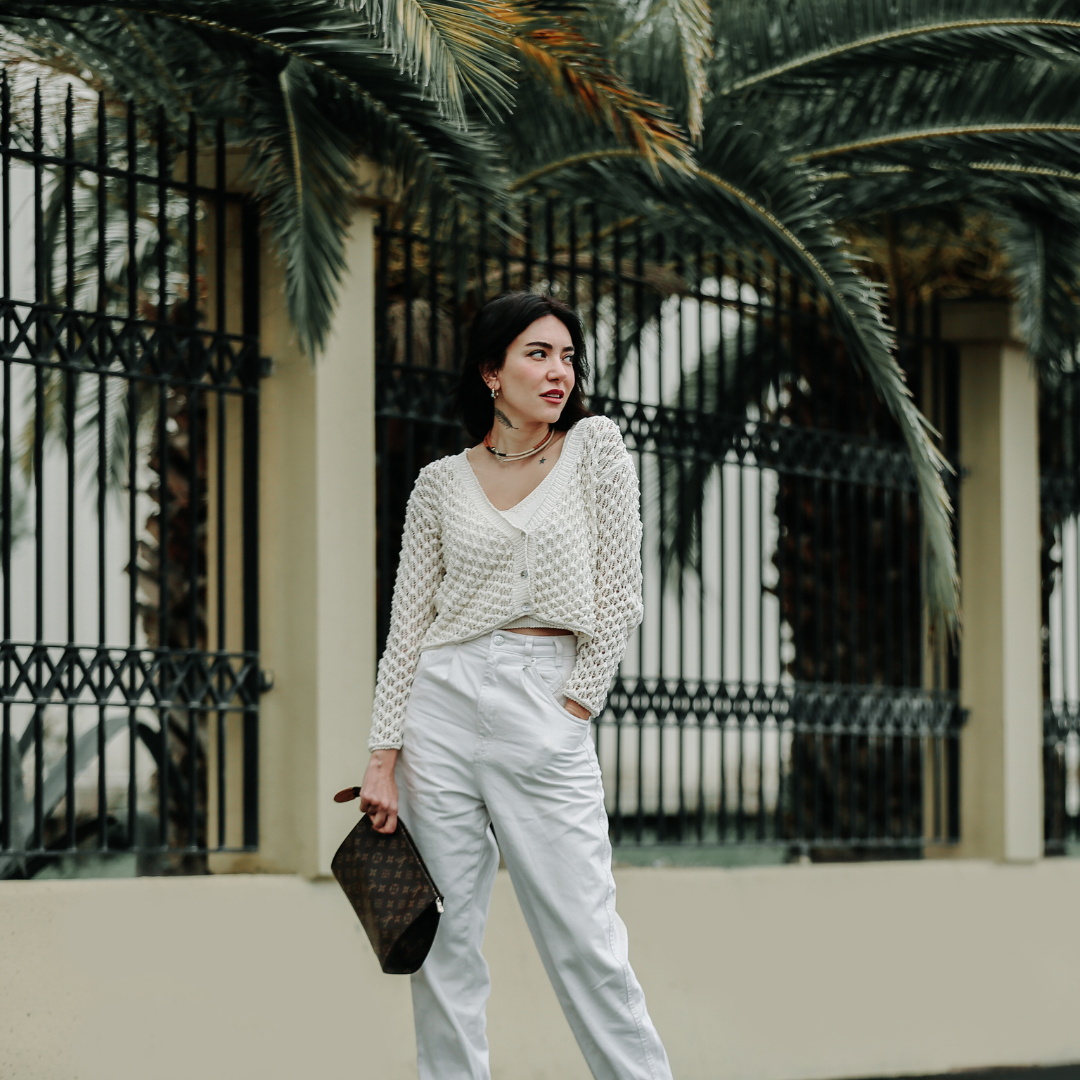
Mixing and matching clothes doesn’t have to be complicated or time-consuming. The key is to build a versatile wardrobe with neutral basics and a few statement pieces that can pair well together. Understanding color coordination and fabric textures helps create cohesive outfits effortlessly.
Start by focusing on pieces that share similar tones or complementary colors. Layering different lengths and styles adds dimension without clashing.
Mastering these simple principles allows you to create multiple outfits from a limited selection, making dressing quicker and more creative.
Understanding Your Personal Style
Knowing what shapes your clothing choices, what essentials hold your wardrobe together, where you feel most at ease, and how to blend current fashion into your look creates a solid style foundation. Each of these elements helps in mixing and matching clothes effectively.
Defining Your Style Preferences
Start by examining the clothing items you naturally gravitate towards. Are you drawn to clean, minimalist cuts or bold patterns? Consider color schemes you wear often—earth tones, monochrome, or bright hues.
Create a simple list or mood board of outfits that make you feel confident. Look for common themes such as fabric types, fits, and details like buttons or stitching. Understanding these preferences narrows down choices that suit your lifestyle and personality without distraction.
Identifying Wardrobe Essentials
Essentials are the core pieces that work across many outfits without clashing. For example, a well-fitted white shirt, neutral-colored pants, a pair of classic jeans, and versatile footwear form a practical base.
These items are usually timeless and mix well with trendier pieces. Focusing on quality and fit rather than quantity ensures these essentials perform multiple roles. Keep your essentials in good condition since they set the tone for your entire wardrobe.
Recognizing Comfort Zones
Your comfort zone includes the styles, fits, and fabrics where you feel physically and visually at ease. It may be slim-fit jeans, but loose tops or soft materials over stiff fabrics. Recognize how different outfits affect your confidence and movement.
Avoid forcing styles that don’t align with your body shape or daily activities. Comfort zones evolve, but staying within them simplifies mixing and matching. When comfort is prioritized, outfit choices become more practical and wearable.
Adapting Trends to Suit You
Fashion trends can enhance your look, but they should be selected based on your personal style and comfort. Instead of adopting every new trend, pick one or two pieces that complement your wardrobe essentials.
For example, add a trendy jacket or a unique accessory rather than overhauling your closet. This selective approach maintains your style identity and keeps your look current without losing consistency. Evaluate trends critically and align them with your defined preferences.
Color Coordination Basics
Understanding how colors interact is essential to building outfits that look balanced and intentional. You can use tools like the color wheel, pair neutrals with vibrant hues effectively, and prevent common errors that disrupt harmony.
Mastering the Color Wheel
The color wheel organizes colors into primary, secondary, and tertiary groups. Knowing its layout helps identify complementary (opposite), analogous (side-by-side), and triadic (evenly spaced) color schemes.
Complementary colors like blue and orange create strong contrasts, drawing attention. Analogous colors such as blue, teal, and green offer more subtle, cohesive looks. Triadic combinations balance contrast and unity, for example, red, yellow, and blue.
Use the wheel to test combinations before committing. Stick to one dominant color and use others as accents to avoid overwhelming the outfit.
Combining Neutrals and Bold Colors
Neutrals include black, white, gray, beige, and navy. They provide a flexible base that pairs well with almost any bold color. Using neutrals helps ground bright or saturated pieces and adds sophistication.
Bold colors like red, emerald, and cobalt make statements but can clash if paired without balance. For safe mixing, match one bold item with neutral pieces.
Example combinations:
| Bold Color | Neutral Pairing |
| Red | Black or Beige |
| Emerald | Gray or Navy |
| Cobalt | White or Charcoal |
This approach keeps your outfit visually appealing without competing colors.
Avoiding Common Color Mistakes
Avoid pairing too many bold colors that compete for attention, which can create a cluttered look. Mixing warm and cool tones without balance often causes visual tension.
Overmatching, such as wearing identical shades from head to toe, can appear monotonous. Instead, vary textures and shades for depth.
Beware of clashing undertones; warm colors pair better with warm neutrals, cool with cool. Testing combinations in natural light prevents unpleasant surprises.
Mixing Patterns and Textures
Combining patterns and textures adds depth and personality to outfits. Understanding how to pair different elements without clashing is essential for a polished look. Key tactics involve pattern compatibility, texture balance, and thoughtful layering.
Selecting Compatible Patterns
Choose patterns that differ in scale to avoid visual conflict. For example, pair a large floral print with a small polka dot. Stick to a similar color palette to create cohesion between patterns. Neutral or muted tones make it easier to mix patterns without overwhelming the outfit.
Geometric patterns usually work well with organic shapes, such as stripes with florals. Avoid combining too many bold patterns; limit to two or three to keep the outfit controlled. Use one patterned piece as the focal point and complement it with subtler patterns or solids.
Balancing Textures for Interest
Mixing textures introduces dimension, but balance is key. Pair rough textures like tweed or corduroy with smooth fabrics such as silk or satin. This contrast helps pieces stand out without competing for attention.
Limit the number of textures to two or three in a single outfit. For instance, leather with knitwear creates a tactile contrast that feels intentional. Consider the season; heavier textures fit colder weather, while lighter textures suit warmer months.
Layering Without Overwhelming the Outfit
Layer with attention to proportion and fabric weight. Thin layers allow for versatile combinations, while bulky fabrics can overpower smaller frames. Avoid heavy layering of thick textures, which can appear cluttered.
Use layering to highlight patterns and textures strategically. For example, a patterned shirt under a solid jacket balances visual interest. Keep accessories simple when layers already include multiple patterns or textures to maintain clarity in the look.
Proportion and Silhouette Strategies
Understanding how to balance sizes, lengths, and shapes in your outfit is crucial for a polished look. Paying attention to fit and volume, layering, and outline shapes helps create harmony and highlights your best features.
Balancing Fit and Volume
Combining tight and loose garments prevents an outfit from looking bulky or shapeless. For example, pairing a fitted top with wide-leg pants adds contrast and balance. Avoid wearing all tight or all loose items together, as this can disrupt your silhouette.
Focus on where volume appears on your body. If you choose a voluminous skirt, a more streamlined top will keep proportions balanced. This approach works whether you’re mixing casual or formal wear and helps achieve a visually appealing look.
Playing With Layer Lengths
Layering different lengths adds dimension and depth to outfits. For instance, wearing a long cardigan over a cropped top creates vertical interest. Make sure layers don’t overwhelm your frame by keeping the longest piece closer to your knees or mid-thigh.
Mixing lengths can also shape your silhouette better. A shorter jacket over a longer shirt, for example, breaks up your torso visually, enhancing proportion. Use this tactic to add style without compromising comfort or fit.
Creating Flattering Outlines
Silhouettes define how your body is perceived in clothes. Aim to form clean, intentional lines that highlight your figure. Tucking in shirts or choosing high-waisted bottoms can elongate your legs and create a sleek appearance.
Identify key geometry in your outfit—such as A-line skirts, straight-leg pants, or tailored blazers—and use them to reinforce your natural shape. Sharp outlines often convey a polished image, while soft, flowing shapes can provide ease and movement. Select styles that suit your body type without masking it.
Building Versatile Outfit Combinations
Creating outfits that work across different occasions requires understanding key clothing relationships and subtle style shifts. Focusing on adaptable pieces and simple layering can drastically increase the variety in your wardrobe.
Mix-and-Match Formula Examples
Start with a neutral base such as black, white, or navy. Combine with at least one statement piece, like a patterned shirt or bright blazer. For example, pair a white tee with dark jeans and add a red jacket for color contrast.
Use classic item pairings:
| Bottoms | Tops | Layer Options |
| Dark jeans | White tee | Denim jacket |
| Black trousers | Striped shirt | Cardigan |
| Khaki pants | Polo shirt | Lightweight blazer |
Swap the layer or top to refresh your look without new purchases. Neutral colors in layers keep the outfit cohesive when mixing patterns or textures.
Transitioning Outfits From Day to Night
Shift the look by changing just one or two pieces. For daytime, stick to casual shoes like loafers or sneakers. Switch to heels or dress shoes for the evening in seconds.
Add sophistication with a blazer or bold jewelry. Replace a casual top with a silk blouse to elevate the outfit’s feel.
Keep the color palette consistent to maintain a smooth transition. Carry a compact bag during the day that shifts to a clutch at night. Small changes make your outfit versatile from morning meetings to evening dinners.
Accessory Pairing Techniques
Balancing accessories involves selecting pieces that complement clothes without overwhelming them. Shoe and bag coordination can refine the entire look. These details shape the outfit’s final feel.
Choosing Statement vs. Subtle Accessories
Statement accessories are bold and draw immediate attention. Think oversized earrings, chunky necklaces, or brightly colored scarves. They work best with simple or monochrome outfits to create a clear focal point.
Subtle accessories serve as finishing touches. Small studs, delicate chains, or neutral belts add polish without competing with clothing patterns. These pieces maintain a balanced look when an outfit already has vibrant colors or prints.
To decide, consider the outfit’s style and purpose. A casual day outfit can handle bolder accessories, while professional or minimal looks benefit from subtlety. Avoid mixing too many statement pieces, as this can clutter the look.
Coordinating Shoes and Bags
Matching shoes and bags can unify a look, but does not require exact color or texture replication. Aim for consistency in tone or style instead. For instance, a tan leather bag pairs well with brown or nude shoes.
Materials also matter. Smooth leather bags complement sleek shoes, while suede bags suit softer, casual footwear. Consider the occasion—formal events typically call for coordinated leather or patent finishes.
Using color theory can assist: pairing neutral bags with brightly colored shoes allows balance. Alternatively, matching metallic accessories like gold or silver details can subtly link these elements without appearing forced.
Seasonal and Occasion Considerations
Understanding how to adjust your clothing choices based on seasonal shifts and specific events can improve your mix-and-match skills. Focusing on practical adjustments ensures comfort and appropriateness, helping you create versatile outfits without excess effort.
Dressing for Weather Changes
Layering is essential for transitioning between seasons. Start with a base layer that is lightweight, like cotton or moisture-wicking fabrics, then add insulating layers such as sweaters or fleece. Finish with a weather-appropriate outer layer like a waterproof jacket or windbreaker.
Color choices should reflect the season: lighter, brighter colors and breathable fabrics for warmer months; darker, richer tones and heavier materials for cold weather. Swap sandals for boots or sneakers depending on temperature and terrain.
Accessories like scarves, gloves, and hats can add warmth without bulk. Keep a practical balance between style and function to maintain comfort across varying daily temperatures.
Adapting Styles for Different Events
Match your outfit formality to the occasion by selecting specific garment types and accessories. For casual events, combine jeans or chinos with simple tops and relaxed shoes. For professional environments, use tailored pieces like blazers and dress shoes.
Consider the event’s time and location. Evening occasions may require darker hues or more polished fabrics like silk or leather. Daytime events typically call for lighter fabrics and simpler patterns.
Use accessories strategically to elevate or tone down your outfit. A watch or belt can make casual wear appear more refined. Conversely, minimal jewelry can keep formal looks from feeling overdone.
Maintaining a Functional Wardrobe
A well-organized wardrobe supports easy mixing and matching by keeping garments accessible and relevant. Regular review and focused shopping habits prevent clutter and ensure that each item serves a purpose.
Periodic Closet Audits
Schedule a closet audit every 3 to 6 months. Remove clothes that no longer fit, are damaged, or haven’t been worn in the last year. This process frees up space and clarifies what you actually need.
Use these criteria during an audit:
- Fit: Keep only items that fit well.
- Condition: Repair or discard damaged pieces.
- Versatility: Prioritize clothes that pair easily with multiple items.
- Seasonality: Store off-season clothes separately to avoid clutter.
Organize remaining clothes by type and color. This makes spotting potential combinations easier and reduces time spent searching.
Shopping With Purpose
Focus on filling gaps identified during your audits. Buy versatile pieces in solid colors or simple patterns that coordinate with existing items. Avoid buying impulsively; plan purchases around specific needs.
Before buying, ask:
- Does this item match at least three pieces I already own?
- Is the style and color consistent with my existing wardrobe?
- Will it fit well and last multiple seasons?
Use a shopping list to stay focused and reduce impulse purchases. This approach maintains a balanced wardrobe that supports effortless mixing and matching.
Conclusion
Mixing and matching clothes becomes easier when you focus on building a versatile wardrobe. Start with basic, neutral pieces and gradually add items with various patterns and textures.
Understanding color coordination is essential. Stick to a simple palette and use one or two accent colors to keep outfits cohesive.
Don’t overlook the power of accessories. Items like belts, scarves, and jewelry can transform the look of an outfit without requiring a full wardrobe change.
Keep in mind these quick tips:
| Tip | Benefit |
| Invest in classics | They never go out of style |
| Experiment with layers | Adds depth and interest |
| Balance proportions | Creates a flattering silhouette |
Confidence also plays a key role. Wearing what feels right will naturally make any combination look more intentional and polished.
With practice, identifying pieces that work together will become second nature. The key is to stay open to mixing styles while maintaining a clear sense of your personal taste.