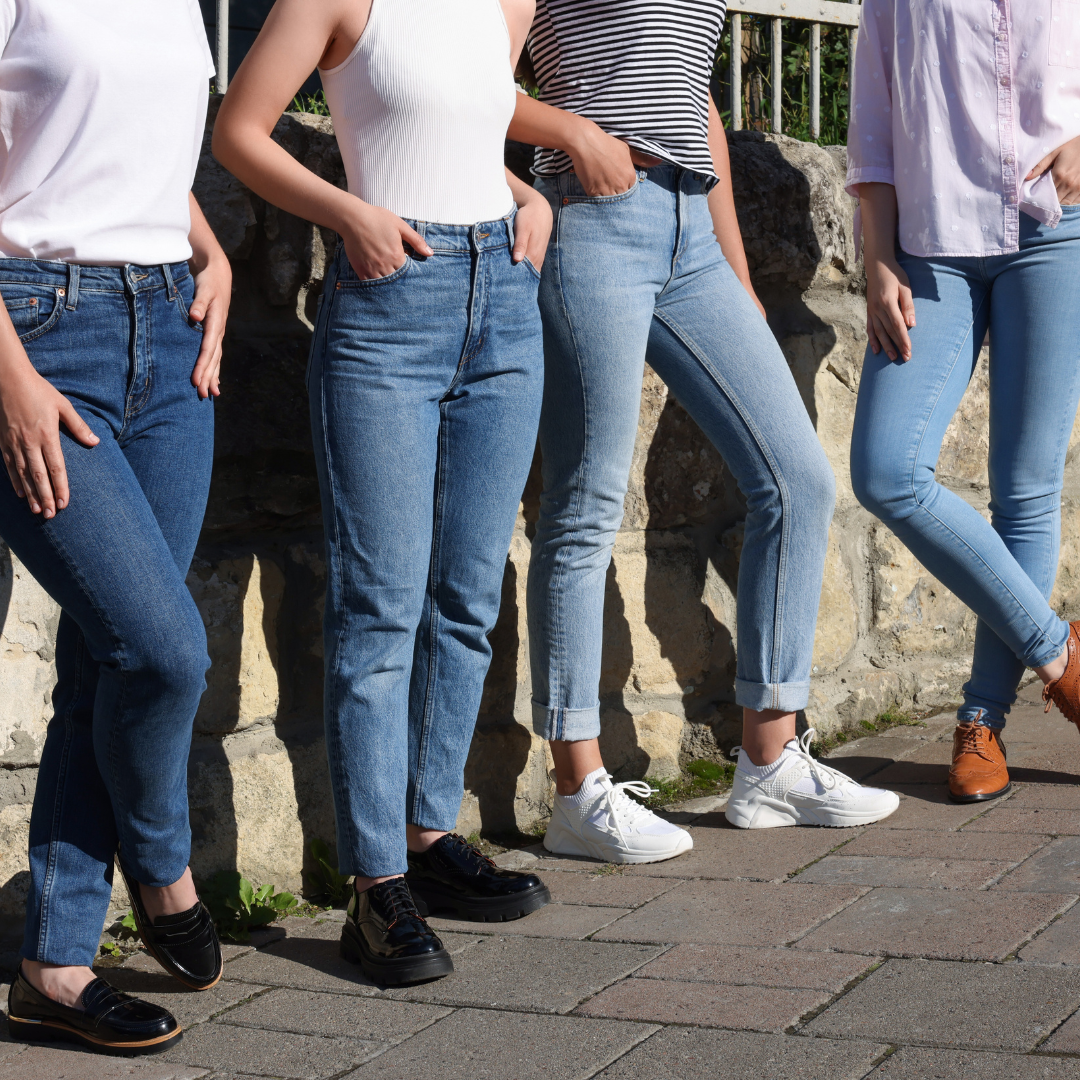
Choosing the right jeans fit comes down to understanding your body shape and personal style. The best fit is one that complements your body type while offering comfort and confidence. Knowing common fits like slim, straight, tapered, and relaxed helps narrow your options.
Factors such as rise, leg opening, and stretch material also influence fit and comfort. Paying attention to where the jeans sit on your waist and how they follow your legs ensures a polished look without sacrificing ease of movement.
Selecting jeans involves balancing style preferences with everyday practicality. This guide will help you identify which fit works best for you, making shopping faster and more effective.
Understanding Jean Fit Types
Jeans come in various cuts designed to suit different body shapes and style preferences. The main differences involve the tightness around the thighs, knees, and calves, as well as the overall silhouette they create.
Skinny Fit
Skinny fit jeans hug the body closely from the waist through the ankle. They are designed with stretch material to allow movement despite their tightness. This fit emphasizes the legs’ shape and works well for slimmer builds.
Because skinny jeans are so form-fitting, they can accentuate muscular or toned legs, but may feel restrictive for those seeking more room. Pairing them with longer tops or layered outfits balances the sleek look.
Slim Fit
Slim-fit jeans offer a tapered silhouette without clinging tightly like skinny jeans. They fit closer to the body through the hips and thighs but loosen slightly from the knee down.
This fit works well for those wanting a modern look without the restrictive feel of skinnies. Slim-fit jeans maintain a clean line that complements most body types and can be styled casually or smartly.
Straight Fit
Straight-fit jeans have a uniform width from the hips down to the ankles, creating a straight line. They offer more room than skinny or slim fits, making them comfortable and versatile.
This cut suits a wide range of body shapes and is ideal for those who prefer a classic, understated look. Straight fit jeans pair easily with various shoe styles and shirt choices.
Relaxed Fit
Relaxed fit jeans provide extra space around the hips, thighs, and seat. They are less tapered and often looser through the legs, prioritizing comfort over form.
These jeans are practical for larger builds or anyone wanting a roomy, casual look. Relaxed-fit jeans are often found in workwear styles and can accommodate more movement without restriction.
| Fit Type | Hip/Thigh Fit | Leg Taper | Style Characteristic |
| Skinny Fit | Very close | Tight at the ankle | Body-hugging, modern |
| Slim Fit | Close but flexible | Slight taper | Clean line, versatile |
| Straight Fit | Relaxed but fitted | Straight cut | Classic, comfortable |
| Relaxed Fit | Loose | Looser leg | Comfortable, casual |
Assessing Your Body Shape
Understanding key physical characteristics helps narrow down jean fits that will complement your frame. Focusing on specific traits like waist size, hip shape, and leg length ensures better choices and avoids common fit problems.
Identifying Your Body Type
Body types are generally categorized into rectangle, hourglass, pear, and apple shapes.
- Rectangle: Balanced bust and hips with minimal waist definition.
- Hourglass: Defined waist with proportional bust and hips.
- Pear: Wider hips than bust, narrower waist.
- Apple: Larger midsection with slimmer hips and legs.
Measure your waist, hips, and thighs using a tape measure to confirm your shape. Note the proportions and where your body holds weight, as this guides which jeans will enhance or balance your silhouette.
Matching Fit to Body Shape
Choose jeans that highlight your strengths and add balance. For hourglass figures, look for high-waisted, stretchy slim-fit jeans that emphasize the waist. Rectangles benefit from straight-leg or boyfriend fits to add curves visually. Pear shapes fit best in bootcut or wide-leg jeans that skim over hips without clinging tight. Apple shapes often prefer mid-rise, relaxed jeans with some tapering to slim the legs while allowing room around the waist.
Fabric stretch, rise height, and leg cut influence how the jeans sit and move. Prioritize options that feel comfortable without distorting your natural shape.
Common Fit Mistakes
A frequent error is buying jeans solely by size, ignoring shape specifics. This can cause waist gaping, thigh pinching, or disproportionate leg length. Skipping proper trying and relying on stretch jeans can lead to sagging after wear. Avoid jeans that are too low-rise if you want to avoid muffin tops or skin exposure when sitting.
Another mistake is ignoring inseam length. Jeans that bunch at the ankles or are too short can disrupt body proportion and style. Keep in mind the quality of the fabric and the cut to minimize disappointment after purchase.
Choosing the Right Size
Selecting the correct size involves precise measurement, understanding how sizing varies between brands, and testing the jeans in person if possible. These steps help ensure a comfortable and flattering fit suited to your body shape and style preferences.
Taking Accurate Measurements
Use a soft measuring tape for exact body measurements. Focus on your waist, hips, and inseam. Measure your waist at the narrowest point, usually just above the belly button. For hips, measure around the fullest part, typically across the buttocks.
Inseam length is measured from the crotch to the bottom of the leg. Record each measurement in inches for direct comparison to size charts.
Avoid measuring over thick clothing. Stand straight but relaxed while measuring. Accurate numbers reduce the chances of buying jeans that are too tight or too loose.
Comparing Size Charts
Every brand has its own size chart reflecting slight variations in fit and cut. Always check the specific chart of the brand before purchasing. Compare your recorded measurements with the waist, hip, and inseam columns.
Size charts often include a range rather than one fixed measurement, identifying small to large body differences. Use your waist and hip sizes as primary indicators for most fits.
If your measurements fall between two sizes, consider the style. Slim fits usually require the smaller size, while relaxed fits can handle a larger size for comfort.
Trying On Jeans for Fit
Fit can’t be fully judged by numbers alone. When trying on jeans, check for comfort around the waist without pinching or sagging. The waistband should sit firmly but not squeeze.
Move around to test mobility. Sit, squat, and walk to confirm the fabric stretches and cut to suit your body. Pay attention to how the jeans shape your hips and thighs.
Look for bunching or tightness at the knees and calves. Ensure the length hits just right—too long or too short affects overall appearance. Adjustments might be necessary for an ideal fit.
Evaluating Rise and Length
Choosing the right jeans fit involves understanding how the rise and length impact comfort and style. These elements influence how the jeans sit on your body and complement your proportions.
Low, Mid, and High Rise Options
Rise refers to the distance from the crotch seam to the top of the waistband.
- Low-rise jeans sit below the natural waist, around the hips. They offer a casual, youthful look but may not be the best for full coverage or comfort in all body types.
- Mid-rise jeans land between the hips and waist, around the belly button. This is a versatile option, balancing comfort with classic style. It suits most body shapes well.
- High-rise jeans sit at or above the natural waist. They provide more coverage and can elongate the legs visually. High-rise is often preferred for a polished or retro-inspired look.
Selecting the right rise depends on body shape, comfort preferences, and the style you want to achieve.
Selecting the Ideal Inseam
The inseam measures the length from the crotch to the bottom hem. It determines where the jeans fall on your leg.
To select the right inseam, measure your leg length or try on jeans to see how they fit over your footwear.
- Too short an inseam can create an awkward, cropped look unless intentional.
- Too long causes bunching or dragging on the ground, potentially damaging the fabric.
- Standard inseams range from 28 to 36 inches, but variations depend on height and style.
Consider whether you want your jeans to rest at the ankle, cover the top of your shoes, or stack slightly.
How Hemlines Affect Appearance
The hemline is the edge of the jeans at the bottom of the leg. Its finish affects both style and function.
Common hem styles include:
- Standard sewn hems which offer a clean, finished look.
- Raw hems with an unstitched edge, often frayed for a casual or edgy style.
- Cuffed hems rolled up to show ankle or shoe detail.
The hemline length and style influence the perception of leg length and can complement different shoe choices. For example, cropped or cuffed hems pair well with sneakers and flats, while longer hems suit boots.
Selecting Fabrics and Stretch
Fabric choice and elasticity determine overall comfort and durability in jeans. Understanding different denim blends and the impact of stretch helps select a fit that moves with you while maintaining style.
Denim Material Types
Denim mostly comes in 100% cotton or cotton blends. Pure cotton denim is heavy, rigid, and durable, ideal if you prefer a more traditional, stiff feel that molds gradually to your shape over time.
Blended denims often include synthetic fibers like polyester or elastane. This enhances durability, reduces shrinkage, and increases softness. Look for blends labeled with a small percentage (1-3%) of elastane for subtle flexibility.
The weight of denim is crucial, too. Lightweight denim (under 12 ounces per square yard) offers breathability and ease, while heavyweight denim (14 ounces or more) is tougher and more durable but less forgiving.
Choosing Stretch vs. Non-Stretch Jeans
Stretch denim incorporates elastane, providing 1-3% elasticity, which allows the denim to move with the body. This improves comfort and fit, especially for active wearers or those who prefer a snug fit.
Non-stretch jeans offer a more rigid, structured feel. They maintain shape longer but can feel tight upon initial wear and require a break-in period.
If you prioritize comfort and mobility, stretch denim is preferable. For a classic look and durability, non-stretch denim suits best. Consider the activity level and look you want before deciding.
Style and Occasion Considerations
Choosing the right jeans fit depends heavily on where and how you plan to wear them. Style and occasion dictate not only fit but also color, wash, and detailing.
Casual vs. Dressy Jeans
Casual jeans allow for more relaxed fits, such as straight, relaxed, or boyfriend styles. These fits prioritize comfort and ease of movement. Features like distressing, rips, or faded washes are common and appropriate for informal settings.
For dressier occasions, slim and tapered fits work best. Clean lines without excessive embellishment create a polished look. Darker washes or solid, deep indigos add to a more refined appearance. Avoid overly baggy or highly distressed styles in professional or formal environments.
Color and Wash Choices
The color and wash of jeans significantly impact their suitability for various occasions. Light washes work well for casual daytime wear, often paired with sneakers or casual tops. Medium washes offer versatility but lean toward informal settings.
Dark indigo or black jeans are preferred for dressier occasions. These washes pair easily with blazers, button-down shirts, or dress shoes. Avoid flashy or overly washed options when a neat, sharp look is required.
| Occasion | Recommended Wash | Fit Types | Key Details |
| Casual | Light, medium washes | Relaxed, straight, boyfriend | Distressing, faded areas |
| Dressy | Dark indigo, black | Slim, tapered | Clean, minimal detailing |
Caring for Your Jeans
Jeans require specific care to preserve fabric quality and fit. Proper washing limits fading and wear, while maintenance ensures they keep their shape over time.
Proper Washing Techniques
Wash jeans inside out with cold water to reduce color loss. Avoid frequent washing; instead, wash after 4-6 wears unless they become heavily soiled.
Use a gentle cycle or hand wash with mild detergent. Skip fabric softeners as they weaken denim fibers. Always air-dry jeans flat or hung to avoid shrinking and distortion; avoid direct sunlight to prevent fading.
If machine drying is necessary, choose the lowest heat setting. Spot clean stains promptly to limit full washes. This extends jean life and retains original texture and color.
Maintaining Fit Over Time
Stretch jeans back to shape while damp, but avoid excessive pulling. Store jeans folded or hung by the waistband with clips, not the legs, to prevent creasing.
If jeans loosen after wear, a brief cold water soak and air drying with tension on tight areas can help restore fit. Avoid over-wearing the same pair constantly; rotation prevents stress on specific spots.
Shrinkage can be managed by controlled laundering. Tailoring adjustments, such as tapered legs or waist takes, can prolong custom fit when jeans naturally change shape.
Final Tips for Finding the Perfect Fit
When trying on jeans, comfort should be the top priority. Move around—sit, squat, and walk. Jeans that restrict movement or cause discomfort are not the right choice, regardless of style.
Check the rise and length carefully. The rise affects how the jeans sit on your waist and hips, while the length should complement your shoe choice without excess bunching.
Consider fabric content. Stretch denim offers more flexibility, while 100% cotton feels stiffer but may last longer. A small percentage of elastane (1-3%) can improve comfort without compromising fit.
| Fit Aspect | What to Look For |
| Waist | Snug but not tight, no gaping belt loops |
| Thighs | Comfortable with slight room, not baggy |
| Hems | Should sit just at or slightly below the ankle |
Try on multiple sizes if unsure. Size can vary between brands, so don’t stick rigidly to one number. Testing several options will help identify the best fit for your body.
Lastly, trust your personal style over trends. Choose jeans that you feel confident wearing daily, not just what’s momentarily popular.