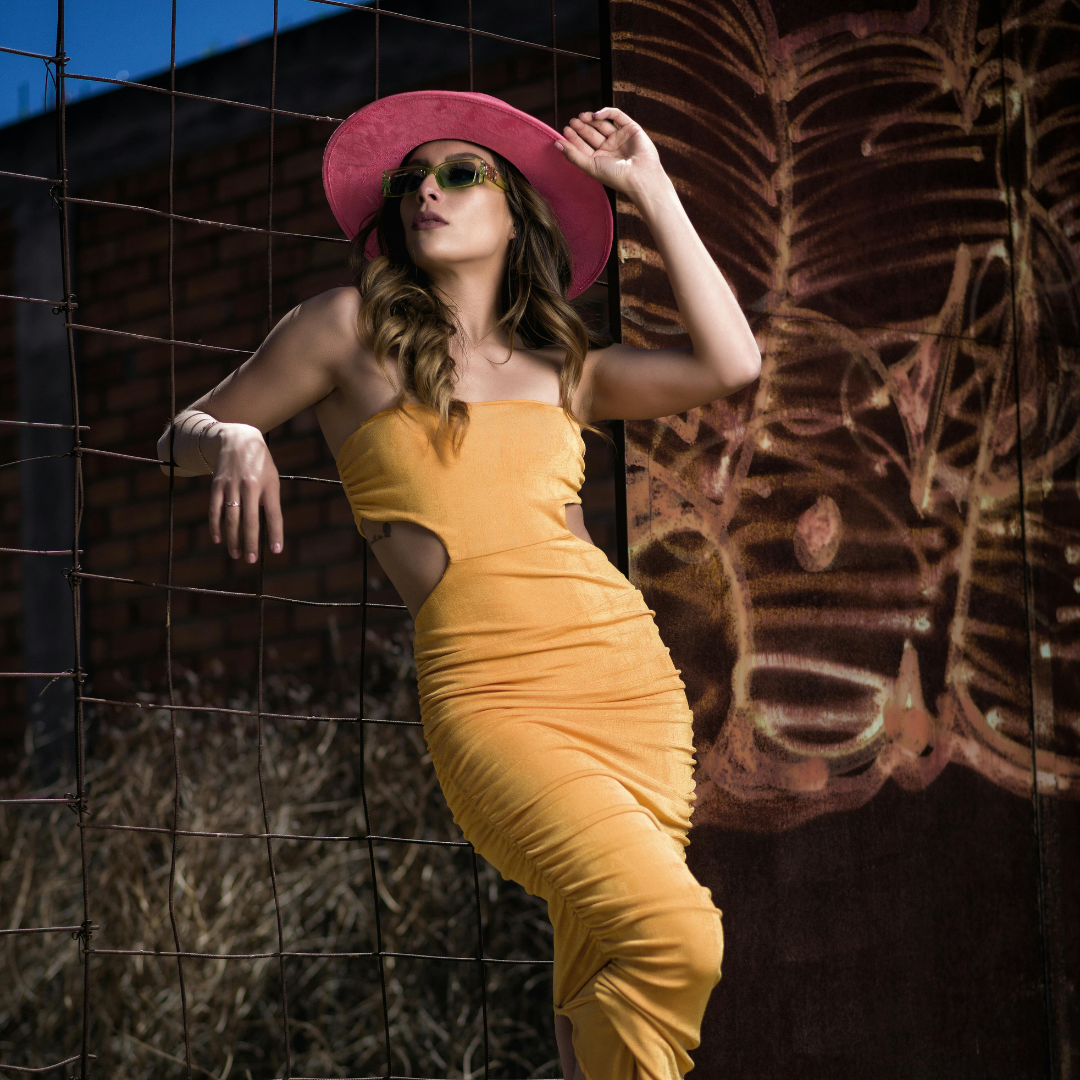
Dressing with confidence starts with understanding what works best for your body shape and personal style. Choosing clothes that fit well and make you feel comfortable is key to projecting confidence. When your outfit matches your personality and fits properly, you naturally carry yourself with assurance.
Color, fabric, and posture also play crucial roles. Wearing colors that complement your skin tone and fabrics that suit the occasion can enhance how you feel inside. Simple adjustments like standing tall and maintaining good posture help complete the confident look.
Understanding the Foundations of Confidence
Confidence in dressing stems from both mental and emotional factors. It involves a clear sense of self, awareness of how clothing influences feelings, and the psychological impact of appearance.
The Psychology Behind Confident Dressing
Feeling confident in what you wear activates positive brain responses. Studies show that dressing well can boost neurotransmitters like dopamine, which enhance mood and motivation. This creates a feedback loop where looking good encourages feeling good and vice versa.
Clothing choices signal social cues to others and yourself. When clothes align with your identity and goals, you feel more in control and assertive. This sense of agency directly influences how confidently you carry yourself in various situations.
The Role of Self-Image in Style
Self-image is the mental picture you hold about yourself, including how you believe others perceive you. Strong, positive self-image correlates closely with clothing that reflects personal values and lifestyle. When style supports self-image, it acts as a visual affirmation.
In contrast, a disconnect between self-image and wardrobe can cause discomfort and self-consciousness. Aligning style with self-image means selecting pieces that make you feel authentic and appropriate for your daily roles, whether professional or casual.
How Clothing Choices Affect Your Mood
Clothing can affect mood in tangible ways. Wearing bright colors or well-fitting garments can increase energy and reduce anxiety. Conversely, uncomfortable or inappropriate clothes often lead to distraction and lowered self-esteem.
The physical comfort of fabrics also matters. Breathable, well-constructed items contribute to maintaining focus and ease throughout the day. Intentional clothing choices provide not just style but emotional support, reinforcing confidence consistently.
Identifying Your Personal Style
Finding a personal style starts with understanding what truly feels right for you. It involves recognizing your authentic preferences, highlighting your distinct features, and intentionally curating your wardrobe to mirror who you are.
Discovering What Makes You Feel Authentic
Begin by paying attention to the clothes that make you feel most comfortable and confident. These are often items you reach for repeatedly or pieces that spark joy when you wear them. Notice patterns in colors, fabrics, and fits that resonate with your everyday lifestyle.
Try exploring fashion inspiration—look at style icons, magazines, or social media—but focus on how elements align with what feels genuine, not what is trendy. Authenticity is about comfort and self-expression rather than copying others.
Journaling or mood boards can help track what appeals to you visually and emotionally. This process refines your preferences and reveals the core of your style.
Embracing Your Unique Features
Understanding your body shape, skin tone, and facial features is key to dressing confidently. Use this knowledge to choose cuts and colors that enhance your best attributes instead of hiding them.
For example, if you have broad shoulders, structured jackets can accentuate your frame attractively. Warm skin tones often pair well with earthy colors, while cool skin tones suit jewel hues.
Avoid styles that clash with your natural features or cause discomfort. Focus on amplifying what makes you distinct, whether that means wearing bold patterns or minimalistic silhouettes.
Building a Wardrobe That Reflects You
Create a cohesive wardrobe that balances staples and statement pieces. Staples like well-fitting jeans, neutral tops, and classic jackets provide flexibility. Statement items add personality and reflect current moods or special occasions.
Organize your wardrobe around your authentic style and unique features. Prioritize quality over quantity to maintain consistency and ease in daily dressing.
Use tools like capsule wardrobes or color palettes to streamline choices. This approach helps prevent impulsive buying and fosters confidence through clear, deliberate outfit decisions.
Mastering Fit and Comfort
Understanding how clothes interact with your body shape and daily needs is crucial. Prioritizing fit and comfort lays the foundation for dressing confidently, while ensuring style does not come at the cost of practicality.
Choosing Clothes That Flatter Your Body
Identify your body shape—such as pear, apple, hourglass, or rectangle—to select clothing that highlights your best features. For example, A-line skirts work well for pear shapes by balancing hips, while fitted tops enhance hourglass figures.
Many people want to change how their clothes fit by altering their physical shape. Some choose cosmetic procedures to get a more balanced look. For example, a bbl Houston is a common option for those who want to add volume to their backside. This procedure uses a person’s own fat to create a fuller shape. It helps clothes fit better and makes people feel more comfortable in their favorite outfits.
Other individuals prefer non-surgical or minimally invasive methods to target stubborn fat in different areas. These treatments help define the waist and abdomen without major surgery. Many people who want to refine their shape look into options for body sculpting Houston, as these modern techniques help people achieve their personal aesthetic goals. This makes it easier to find clothes that drape well and feel comfortable.
Also, be sure to pay close attention to proportions. If you have a shorter torso, high-waisted pants can elongate your legs. For broader shoulders, avoid overly padded jackets and prefer streamlined cuts instead.
Using tailoring can significantly improve fit. Simple alterations like hemming or taking in seams create a more polished appearance without buying new clothes.
The Importance of Comfort in Confidence
Comfort affects posture and ease, both vital for a confident presence. Ill-fitting clothing can cause distraction, discomfort, or self-consciousness throughout the day.
Choose fabrics that breathe and allow movement, such as cotton, linen, or blends with some stretch. Avoid stiff synthetics that restrict your range of motion or irritate the skin.
Footwear is a major element; well-cushioned, supportive shoes reduce fatigue. Comfort here supports your natural movements and prevents distraction caused by pain or discomfort.
Balancing Style and Practicality
Style should accommodate real-life activities. For example, if you commute by walking, prioritize wrinkle-resistant fabrics and shoes designed for foot support.
Mix classic and versatile pieces with a few trendier choices to maintain relevance without sacrificing functionality. Structured blazers, dark jeans, and quality basics form a solid wardrobe foundation.
Incorporate layering for adaptability—light layers allow temperature control while enhancing the outfit visually. Keep pockets accessible to combine convenience with aesthetics.
Utilizing Color and Patterns Effectively
Choosing the right colors and patterns can elevate any outfit and strengthen your presence. This involves understanding what colors complement your skin tone, how to balance bold and subtle patterns, and leveraging color psychology to influence both your mood and how others perceive you.
Selecting Colors That Boost Confidence
Focus on colors that make you feel assured and comfortable. For warm undertones, earthy colors such as olive, mustard, and rust tend to enhance your look. Cooler undertones benefit from jewel tones like sapphire, emerald, and amethyst.
Neutral colors like navy, gray, and black are universally flattering and practical for building a versatile wardrobe. When in doubt, pick at least one color you instinctively gravitate toward and incorporate it as a base or accent.
Avoid colors that wash you out or clash with your natural coloring, as they can undermine confidence. Trying colors in natural light helps determine which shades truly suit you.
Incorporating Patterns Without Overwhelming
Patterns add personality but can be challenging to balance. Start with simple patterns like thin stripes, small checks, or subtle polka dots that enhance your outfit without drawing excessive attention.
When mixing patterns, maintain harmony by matching colors and varying the scale—pair a large floral print with a small geometric pattern to avoid clashing. Limit the number of patterns to two per outfit to keep the look cohesive.
If new to patterns, integrate them through accessories like scarves or ties before committing to larger pieces. This approach gradually builds comfort with varied prints.
Using Color Psychology in Your Outfits
Colors convey emotions and influence perceptions. Red signifies energy and assertiveness, ideal for situations where you want to appear confident or commanding. Blue promotes calmness and trust, suitable for professional settings or first impressions.
Yellow stimulates positivity and creativity, but can be overpowering if overused. Use it sparingly as an accent to brighten an otherwise neutral outfit.
Black suggests authority and sophistication, while green symbolizes balance and growth. Understanding these effects helps in choosing colors that align with your goals for the day or event.
| Color | Effect | Use Case |
| Red | Energy, assertive | Meetings, presentations |
| Blue | Calm, trustworthy | Interviews, networking |
| Yellow | Positive, creative | Casual gatherings |
| Black | Authority, elegance | Formal occasions |
| Green | Balance, growth | Everyday wear |
Building a Versatile and Empowering Wardrobe
A well-curated wardrobe focuses on essential items that are easy to combine and reflect personal style. Thoughtful organization also plays a critical role in reducing decision fatigue and boosting dressing confidence every day.
Key Wardrobe Staples for Confidence
Invest in classic pieces that fit perfectly and suit your lifestyle. These typically include a tailored blazer, a white button-down shirt, dark jeans, a little black dress, and quality shoes.
Choose neutral colors like black, navy, gray, and white, as they mix well and rarely go out of style. Prioritize fabric quality and comfort to ensure pieces look polished and feel good on the skin.
Add one or two statement items that reflect personal taste, such as a patterned scarf or bold accessories, to create variety without complicating choices.
Mixing and Matching Pieces
A versatile wardrobe maximizes outfit options by combining different textures, colors, and styles. For example, pairing a structured blazer with casual jeans balances formality and comfort.
Learn to coordinate colors using the color wheel: complementary hues like navy and rust or monochromatic schemes in varying shades of gray enhance cohesion. Layering is also effective, such as wearing a fitted turtleneck under a dress or blouse.
Keep proportions in mind to maintain flattering silhouettes. For instance, pairing fitted bottoms with looser tops avoids bulkiness and helps create clean, confident looks.
Organizing Your Closet for Easy Choices
Organize clothes by category, color, or occasion to streamline outfit selection. Use clear bins or labeled shelves for accessories and shoes to keep everything visible and accessible.
Group frequently worn items at eye level. Rotate seasonal clothing to the back to minimize clutter. Regularly purge items that no longer fit or align with your style.
Use uniform hangers to create a tidy visual flow, which supports a calm mindset when choosing outfits. Proper lighting in the closet also makes it easier to assess colors and details quickly.
Leveraging Accessories to Enhance Your Look
Accessories can transform an outfit by adding personality and style. They help balance an ensemble and highlight your best features without overwhelming your appearance.
Adding Statement Pieces
Statement pieces draw attention and create focal points in your outfit. Choose bold necklaces, oversized earrings, or chunky bracelets to add visual interest. Keep the rest of your accessories minimal to avoid clutter.
A single statement item can elevate a basic look, making it appear more polished and intentional. Consider the occasion and outfit colors when selecting the piece to ensure harmony. For example, a bright red handbag pairs well with neutral tones, adding a pop of color without overpowering.
Choosing Shoes That Boost Presence
Shoes influence posture and confidence as much as style. Select shoes with distinctive shapes, colors, or textures to enhance your overall presence. Heels can elongate your silhouette, while clean sneakers offer a modern, casual confidence.
Prioritize comfort alongside style to maintain poise throughout the day. Well-maintained, polished shoes also signal attention to detail and self-care. Match shoes thoughtfully with your outfit’s tone and setting to support a cohesive, confident look.
Embracing Grooming and Self-Care Routines
Proper grooming and consistent self-care have a direct effect on how one feels and presents themselves. Keeping attention on these details fosters a polished appearance that supports confidence.
The Impact of Grooming on Self-Perception
Grooming affects self-perception by enhancing personal appearance and reinforcing a sense of control. Regular haircuts, skincare routines, and nail care contribute to a well-kept image.
For some individuals, self-care also includes surgical options to align their physical appearance with their inner confidence. Procedures like breast augmentation miami help women achieve their desired body shape and feel more comfortable in their clothes. These personal decisions often lead to a renewed sense of self-assurance and body positivity. Working with an experienced surgeon ensures that the results look natural and fit the person’s overall proportions.
Furthermore, for many people, taking care of their skin goes beyond basic daily washing. Professional skin treatments and personalized care plans can help address specific concerns that over-the-counter products cannot fix. Clinics like Prairie Aesthetics provide custom options that focus on natural, balanced results for each person. These targeted sessions can make a noticeable difference in how someone feels about their skin. When people see positive changes in their mirror, it often translates to more confidence in their daily life.
When people maintain grooming habits, they often experience increased self-esteem. This can reduce feelings of self-consciousness and encourage upright posture and open body language.
Mindful grooming sends signals to both oneself and others that one values self-respect and discipline. Simple acts, such as using deodorant or moisturizing, have a cumulative effect on feeling prepared and confident throughout the day.
Maintaining Clothing and Personal Hygiene
Clothing maintenance involves regular washing, ironing, and repairs to keep garments in good condition. A clean, wrinkle-free outfit projects professionalism and care.
Personal hygiene practices like daily showering, oral care, and appropriate use of cologne or perfume are essential. These habits prevent distractions caused by unpleasant odors or discomfort.
Organizing a wardrobe for easy access to well-maintained pieces saves time and minimizes stress during dressing. Investing time in laundering and stain removal extends clothing life and sustains a fresh look.
| Key Hygiene Tasks | Recommended Frequency |
| Showering | Daily or after heavy sweating |
| Oral Care | Twice daily brushing, flossing |
| Laundry | Weekly or as needed per garment |
| Clothing Repair | Immediate for tears or stains |
Adapting Outfits for Different Occasions
Recognizing the key elements of an outfit suitable for varying settings ensures comfort and confidence. Balancing style with appropriateness requires attention to context, fabric, and formality level.
Confident Dressing for Work
Work attire should reflect professionalism and polish. Opt for tailored pieces such as blazers, dress pants, or pencil skirts in neutral tones like black, navy, or gray. Crisp shirts or blouses in solid colors or subtle patterns provide a clean look without distraction.
Accessories must remain minimal: a leather belt, a watch, or simple jewelry works best. Shoes should be closed-toe and comfortable, such as loafers or low heels. Avoid overly casual fabrics like denim or flashy prints. Prioritize clothing that fits well and allows ease of movement, as this enhances posture and self-assurance.
Casual Settings and Social Events
Casual outfits call for flexibility but should still convey intention. Jeans or chinos paired with well-fitted t-shirts, casual shirts, or light sweaters are ideal. Choose colors that complement skin tone without clashing or appearing too loud.
Layering adds visual interest; for example, a denim jacket over a plain tee works well. Footwear can be sneakers, ankle boots, or flats, depending on the activity. Accessories like scarves or subtle hats can personalize the outfit while staying relaxed. Avoid overly baggy clothing or anything stained or worn out.
Special Occasions and Formalwear
For formal events, focus on tailored garments that fit the body shape precisely. Men can choose fitted suits with a dress shirt and tie or bowtie. Women benefit from structured dresses or separates, often in solid colors or refined prints.
Fabric choice is crucial: silk, wool, or high-quality blends elevate the look. Polished shoes such as oxfords, pumps, or dressy sandals complete the outfit. Limit accessories to elegant pieces like a statement watch or fine jewelry. Avoid casual items such as sneakers, loose fabrics, or overly trendy pieces that distract from a sophisticated image.
Developing Mindset and Daily Habits
Building confidence in dressing starts with intentional mental practices and consistent daily routines. Small changes in how you prepare each day and address your thoughts can influence how you carry yourself through clothing choices.
Creating a Confident Morning Routine
Begin your day with purpose by selecting your outfit the night before. This reduces stress and gives you time to consider your look calmly.
In the morning, take a few minutes to stand in front of a mirror and assess your posture. Straightening your back and lifting your chin boosts your presence and highlights your clothing.
Incorporate affirmations focused on self-image. Phrases like “I look presentable and capable today” support a positive mindset. Combine this with basic grooming, such as neat hair and skincare; these habits improve how you feel and how others perceive you.
Reframing Negative Self-Talk
Recognize recurring negative thoughts about your appearance, such as “This outfit doesn’t suit me.” Then, challenge these statements with facts. For instance, replace it with “I chose this because it fits well and feels comfortable.”
Keep a journal to track these thoughts and write down three positive things about your style each day. This trains your brain to focus on strengths instead of flaws.
Practice self-compassion by understanding that imperfections don’t define your worth. This mental shift encourages bolder clothing choices and reduces hesitation when trying new styles.
Staying Inspired and Evolving Your Style
Maintaining confidence in dressing requires ongoing inspiration and adaptability. Drawing ideas from influential figures and adjusting to changes in personal taste or lifestyle plays a crucial role in refining your look.
Learning from Fashion Icons
Observing fashion icons provides actionable style cues. Focus on how they combine colors, textures, and accessories to form cohesive outfits. Instead of copying, extract elements that suit your body type and personality.
Study different eras or cultural influences behind their styles. For example, Audrey Hepburn’s timeless elegance highlights simplicity, while David Beckham’s use of layering introduces dimension.
Use social media, documentaries, and classic fashion magazines to track these inspirations. Take notes or create mood boards to visualize what resonates with you.
Incorporate these ideas subtly to avoid overwhelming your existing wardrobe. It’s about enhancing your signature style, not replacing it.
Adapting to Style Changes Over Time
Style evolves naturally with age, experience, and circumstances. Recognize that what felt right in your twenties may not suit your current lifestyle or body shape.
Update your wardrobe by replacing worn-out pieces with modern fits and fabrics. Prioritize comfort and practicality without sacrificing appearance.
Stay open to experimenting with new trends, but filter them through your established preferences. For example, swap skinny jeans for tailored trousers if they fit better and look sharper.
Consider lifestyle factors such as work environment, climate, and social settings when making style adjustments. This ensures your outfits remain functional and context-appropriate.
Reflect on your style regularly, perhaps seasonally, to stay aligned with evolving tastes and needs.