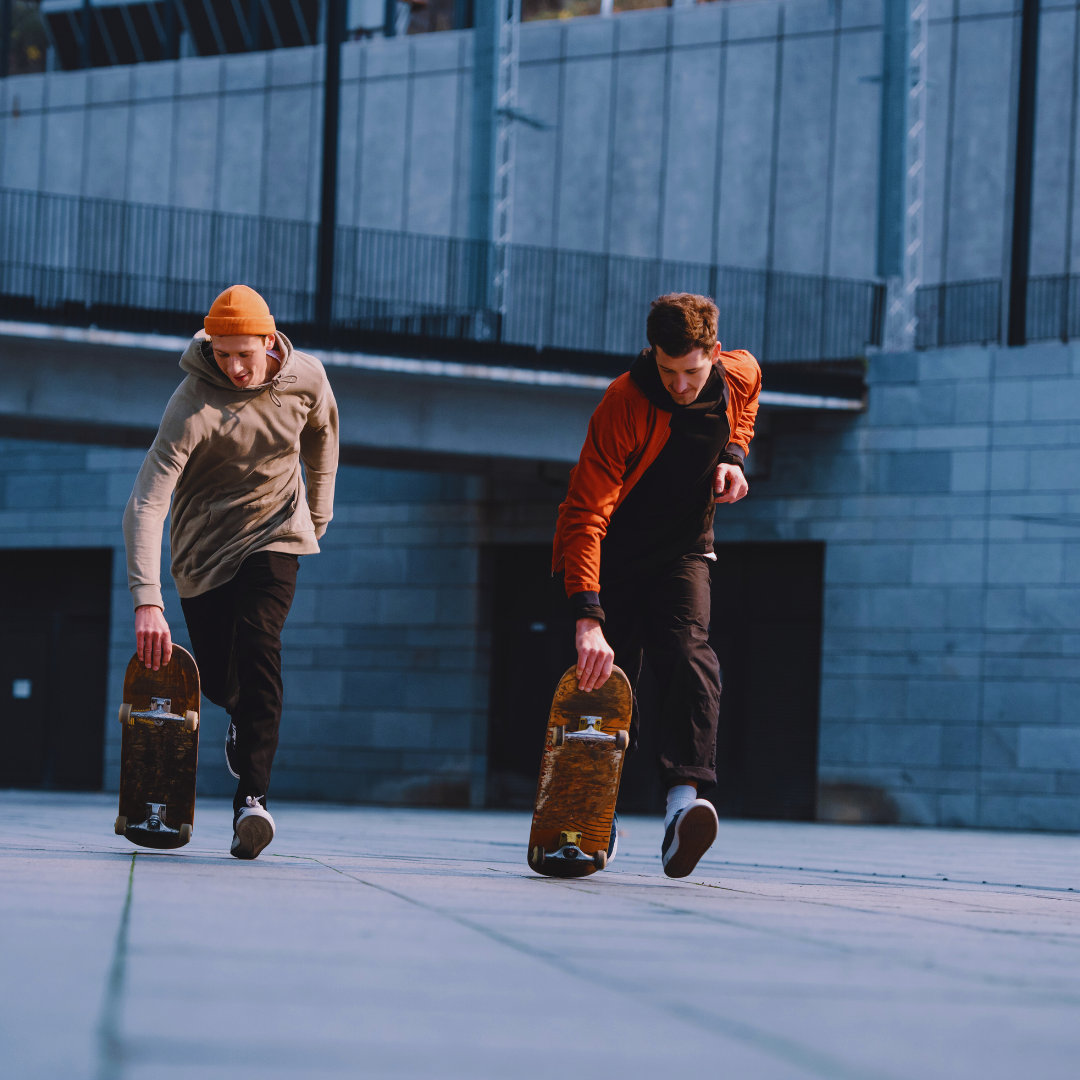
Streetwear has undergone a significant transformation over the past few decades, evolving from a niche subculture into a major player in the fashion industry. This journey illustrates how streetwear has shaped and been shaped by societal trends, merging elements of hip-hop, skate culture, and high fashion. The roots of streetwear can be traced back to the 1980s, when it began as an expression of youth identity and rebellion, often linked with underground movements.
As streetwear gained traction, it caught the attention of mainstream fashion houses and celebrities, leading to collaborations that further propelled its visibility. Today, brands that once catered to specific subcultures are now staples on runways, reflecting a broader acceptance and appreciation of urban styles. The commercialization of streetwear shows how it has not only influenced fashion but also created a new realm of style that resonates with both luxury and everyday wear.
The dynamic nature of streetwear continues to drive its evolution, with new influences emerging from technology and global culture. As this trend moves forward, it challenges traditional fashion norms and invites a diverse audience to participate in shaping its future.
Origins and Cultural Roots
Streetwear emerged from specific cultural influences rooted in California and New York City. Its development involved intersections with various subcultures, notably hip-hop and skateboarding, which shaped its aesthetics and philosophies.
Inception in California and New York City
Streetwear originated in the 1980s, primarily in California and New York City. In California, surf and skate culture played a crucial role. Shawn Stüssy was a pivotal figure, combining surf wear with urban aesthetics, creating iconic graphics and styles that appealed to a rebellious youth demographic.
New York City contributed its unique flavor through the lens of urban life. The city’s gritty streets and diverse neighborhoods inspired designs that were often practical and reflective of everyday challenges. Stores like Lacious, founded by James Jebbia, became essential in defining this style, making it accessible to a broader audience.
Intersections with Hip-Hop and Skateboarding
Hip-hop and skateboarding were significant influencers in shaping streetwear. The hip-hop scene, particularly in the Bronx, introduced bold styles, oversized silhouettes, and a strong sense of identity. Artists like Run-D.M.C. and A Tribe Called Quest incorporated street fashion into their music, promoting brands like Adidas and Champion.
Skateboarding culture added a DIY ethos to streetwear. Skaters were known to modify their clothing for both functionality and personal expression. As skateboarding gained popularity throughout the 1980s and 1990s, brands like Supreme emerged, merging skate culture with high fashion, further propelling the movement.
Rise of Subcultures and Self-Expression
Streetwear became a canvas for various subcultures, from punk to grunge. The clothing often represented individual thought and rebellion against mainstream trends. This self-expression was paramount, allowing individuals to craft personal identities through what they wore.
Graffiti culture also played a vital role, as many streetwear designers collaborated with local artists, showcasing artworks on apparel. Such collaborations created authentic connections to the urban landscape, merging art with fashion. The movement embraced various influences, making it a powerful platform for voice and creativity among youth.
Transition into Mainstream and High Fashion
Streetwear has progressed from niche origins to capture the attention of high fashion and luxury brands. This transformation is evident through strategic collaborations, the influence of celebrities, and the fashion industry’s broader acceptance of streetwear aesthetics.
Collaborations with Luxury Brands
Collaborations between streetwear labels and high fashion brands have become prominent. A key example is Louis Vuitton, which partnered with Off-White and its designer Virgil Abloh. This collaboration marked a significant moment, blending luxury with street-savvy design. Other notable collaborations include Supreme teaming up with Louis Vuitton, generating high demand and showcasing the potential of streetwear in the luxury market.
These partnerships enable luxury brands to tap into the streetwear culture, attracting younger, fashion-savvy consumers. The crossover often results in limited-edition pieces, igniting excitement and driving sales. Consumers are drawn to the exclusivity and unique blend of aesthetics offered by these joint efforts.
Influence of Celebrities and Key Figures
Celebrities play a pivotal role in pushing streetwear into mainstream fashion. Artists like Kanye West have been instrumental, especially with his Yeezy line disrupting traditional fashion norms. His distinctive style and ability to blend hip-hop culture with high fashion have made streetwear more appealing to a broader audience.
Icons in music, sports, and entertainment frequently sport streetwear brands, further popularizing the aesthetic. Their influence extends through social media, where visibility can spark trends and increase demand. This celebrity endorsement transforms streetwear into a symbol of status and contemporary fashion culture.
Adoption by the Fashion Industry
The fashion industry has increasingly embraced streetwear as a legitimate style category. Major fashion weeks now feature streetwear brands alongside established luxury labels. This shift signifies a recognition of streetwear’s impact on global fashion trends.
Designers incorporate streetwear elements into their collections, merging casual with refined aesthetics. This blend maintains appeal across demographics, showcasing versatility. Brands that once overlooked streetwear must now adapt to a changing market that favors its relaxed yet fashionable approach.
Contemporary Streetwear Scene
The contemporary streetwear scene reflects a blend of creativity, cultural influences, and a commitment to sustainability. Key elements include staple fashion items, a global diversity of styles, and evolving trends that shape the future of this dynamic fashion category.
Staples of Streetwear Fashion
Staple items in streetwear include hoodies, graphic tees, and sneakers. These pieces are recognized for their comfort and functionality, appealing to a wide audience. Brands like A Bathing Ape, Stüssy, and Supreme have popularized these items, offering unique designs that resonate with street culture.
Accessories play a significant role as well. Caps, backpacks, and jewelry enhance personal style and reflect identity. The use of eco-friendly materials has become an emerging trend among brands aiming for ethical production. Sustainability is now a key focus, as consumers increasingly favor brands that align with their values.
Diversity and Global Influence
The contemporary streetwear scene thrives on diversity and inclusivity. Influences from various cultures are evident in the styles and messages within the designs. Streetwear celebrates individual identity while fostering a sense of belonging.
Global influence is also a prominent feature. Styles from Asia, Europe, and Africa contribute to a richer tapestry of fashion choices. Events like fashion weeks and pop-ups around the world further promote the community aspect of streetwear, encouraging collaboration among designers and artists from different backgrounds.
Evolving Trends and Future Directions
Evolving trends in streetwear reflect the changing desires of consumers. There is a strong movement towards sustainability and ethical production, with brands incorporating eco-friendly materials into their collections. This shift is driven by a generation that demands transparency and responsibility from fashion labels.
Innovation is evident as functionality meets aesthetics. Streetwear designers experiment with new textiles and designs that prioritize comfort while making bold style statements. As streetwear adapts to the digital age, virtual fashion shows and online communities emerge, reshaping how individuals engage with fashion and each other.
Impact on Society and Culture
Streetwear has significantly influenced contemporary society and culture, acting as a bridge between urban youth identity and global trends. Its connections to various artistic expressions and active engagement with digital platforms have cultivated a unique cultural relevance.
Streetwear as Cultural Movement and Identity
Streetwear emerged as a crucial cultural movement that resonates deeply with urban subcultures. It serves as a form of self-expression, allowing individuals to showcase their identity through style. The movement often reflects social, political, and personal narratives, linking wearers to broader themes of rebellion and authenticity.
As communities rallied around this movement, clothing brands became platforms for social change. The inclusive nature of streetwear committed to diversity has empowered marginalized voices. Options like unisex clothing have further noted a shift in gender norms in fashion, promoting a message of acceptance.
Connections to Art, Music, and Digital Media
Streetwear’s impact extends prominently into art and music, with collaborations between designers and artists amplifying its cultural footprint. Iconic partnerships, such as those involving brands like Supreme and renowned artists, blend fashion with contemporary art. This fusion not only elevates the aesthetic but also challenges traditional boundaries.
Music genres, particularly hip-hop, have propelled streetwear into the mainstream. Prominent artists often use their platforms to influence fashion trends, which has led to rapid dissemination through social media. Platforms like Instagram and TikTok provide avenues for rapid trend shifts and community engagement, further solidifying streetwear’s relevance in pop culture.
Challenges and Criticisms
Despite its accolades, streetwear faces skepticism related to issues of exclusivity and commercialism. The practice of limited releases and high price points often alienates potential consumers, leading to accusations of gatekeeping. Critics argue this fosters a “hype culture” that prioritizes profit over community.
Furthermore, the commodification of countercultural movements raises questions about authenticity. As brands vie for mainstream attention, the original ethos of rebellion can become diluted. This tension between maintaining cultural significance and appealing to consumerism remains a critical topic in conversations about streetwear’s future.