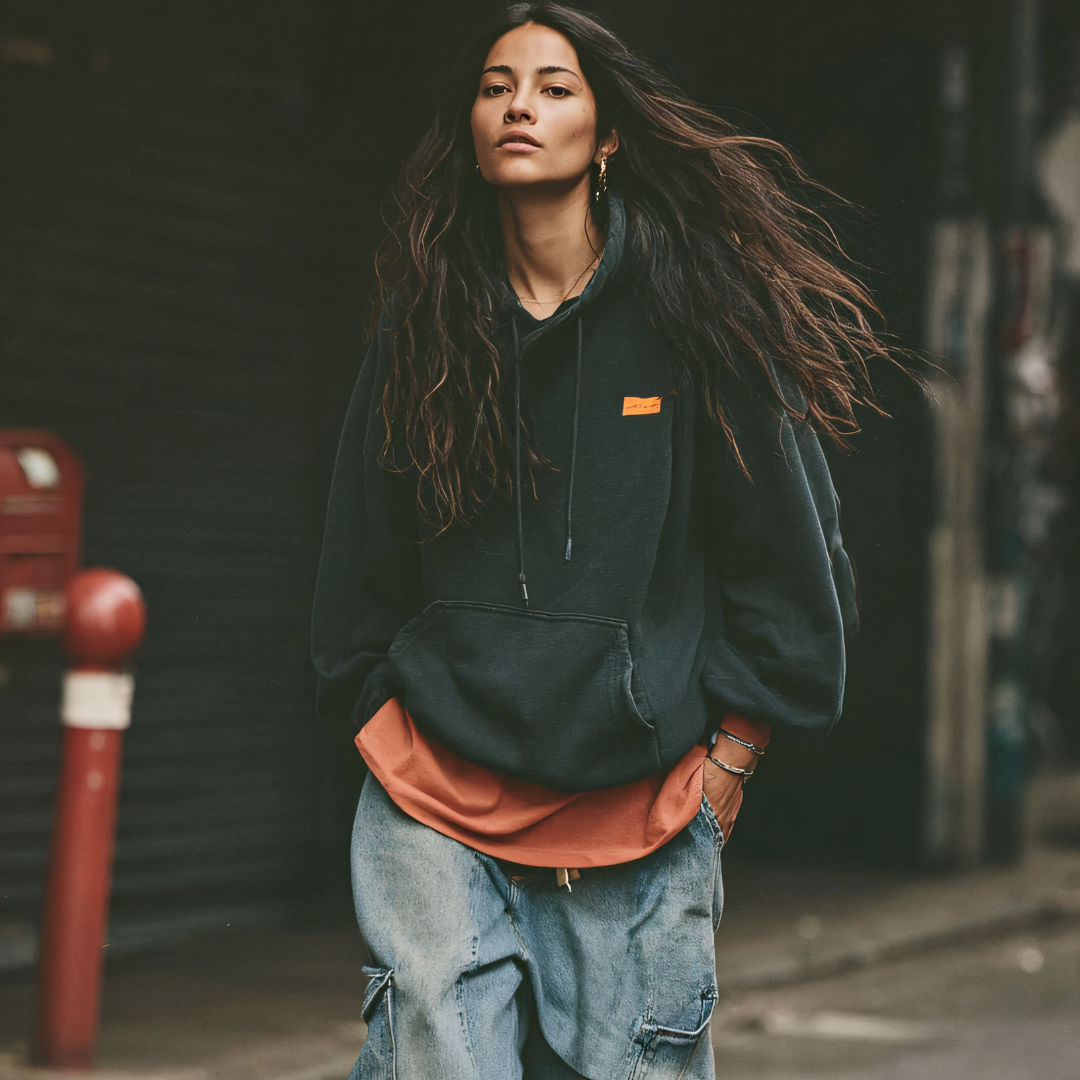
Oversized clothing offers comfort and a relaxed vibe without compromising style. The best way to style oversized pieces is by balancing proportions—pair loose items with fitted ones to avoid looking shapeless. This approach creates a modern, intentional look that feels effortless.
Layering oversized clothing can add depth and interest to your outfit. Combining textures and varying lengths while keeping the color palette cohesive helps maintain a polished appearance.
Accessories and footwear also play a key role in elevating oversized styles. Choosing structured bags, tailored shoes, or defined belts can add contrast and sharpness to the overall look.
Understanding Oversized Clothing
Oversized clothing focuses on garments designed to fit larger than the typical size. This style prioritizes comfort, freedom of movement, and a distinct visual presence. It has evolved considerably over time, blending cultural influences with practical advantages.
Defining Oversized Clothing
Oversized clothing refers to items intentionally made or worn larger than one’s actual size. Examples include baggy shirts, loose trousers, and wide jackets. Unlike simply wearing a size too big, oversized fashion emphasizes proportion and intentional styling to create a relaxed silhouette.
Key characteristics include dropped shoulders, extended sleeve lengths, and a roomy torso. This look is often paired with fitted pieces to balance volume and avoid appearing shapeless.
History of Oversized Fashion
Oversized clothing has roots in various decades, notably the 1980s and 1990s, when streetwear and hip-hop culture popularized loose, exaggerated fits. Designers in those eras pushed boundaries by making clothes that challenged traditional tailored shapes.
In recent years, oversized garments have been embraced by luxury fashion houses and mainstream brands alike. This shift reflects both a casual lifestyle trend and a reaction against tight-fitting, restrictive attire. The historical evolution has made oversized fashion a symbol of both rebellion and comfort.
Benefits of Wearing Oversized Outfits
Oversized clothing offers comfort by allowing unrestricted movement and better airflow. It suits people who prefer looser fits without sacrificing style.
From a practical standpoint, oversized pieces can be layered easily, enhancing versatility in different weather. They also create a distinct fashion statement, inviting creativity in mixing textures and shapes.
Additionally, oversized clothing can help conceal body areas people may feel self-conscious about, contributing to increased confidence.
Choosing the Right Oversized Pieces
When picking oversized clothing, focus on fabric feel, essential styles, and how well the pieces suit different times of the year. These factors help create wearable, functional outfits that stay comfortable and stylish.
Selecting Fabrics for Comfort
Fabric choice impacts both comfort and silhouette. Natural fibers like cotton, linen, and wool offer breathability and softness, making them ideal for loose fits. These materials drape better, preventing oversized clothing from looking bulky or shapeless.
Synthetic fabrics such as polyester or blends can provide structure but may trap heat. If selecting synthetics, prioritize lightweight or moisture-wicking options. Avoid stiff or heavy materials that reduce movement and may feel restrictive despite an oversized cut.
The right fabric supports ease of wear and complements the relaxed nature of oversized garments. Pay attention to texture and weight to balance comfort with the desired aesthetic.
Key Wardrobe Staples
Certain oversized pieces are versatile basics. Start with an oversized white button-down shirt, which pairs well with fitted bottoms. Boxy sweatshirts and hoodies add casual layers and work across seasons.
Wide-leg trousers or straight-leg jeans in relaxed cuts offer balance to oversized tops. For outerwear, oversized blazers or trench coats introduce structure without sacrificing comfort.
Investing in neutral colors like black, navy, beige, or white increases mix-and-match potential. These staple items build a foundation for layering and combining with smaller fitted pieces.
Seasonal Considerations
Choose oversized clothing appropriate for the weather. In colder months, thick knits, wool coats, and quilted jackets provide warmth while maintaining room for layering underneath.
For warm seasons, lightweight cotton or linen oversized shirts and wide-leg pants ensure ventilation. Avoid heaviness to prevent overheating.
Layering is key; oversized pieces allow flexibility to add or remove layers as temperatures change. Consider sleeve length, fabric breathability, and insulation levels when selecting items for specific seasons.
Balancing Proportions
Creating a balanced look when wearing oversized clothing involves strategic pairing, emphasizing key areas, and carefully choosing layers. These techniques help maintain shape and avoid overwhelming your frame.
Pairing With Fitted Items
Combining oversized pieces with fitted clothing creates contrast that defines your shape. For example, an oversized sweater pairs well with slim jeans or tailored pants, preventing a bulky appearance.
Avoid loose bottoms when wearing an oversized top, as wearing loose items on both top and bottom can look shapeless. Instead, choose leggings, skinny jeans, or a pencil skirt with an oversized blazer or shirt.
This balance draws attention to your silhouette without adding unnecessary volume. It also keeps the outfit visually interesting and polished.
Highlighting Your Silhouette
To avoid looking boxy or shapeless, emphasize natural curves. Tucking in your oversized shirt at the waist or using a belt over a loose dress can create waist definition.
Cinch oversized coats or cardigans with a belt to add structure. Even partially tucking a top or front-knotting can improve proportion and highlight your figure.
When selecting oversized items, consider their shape and cut. Look for pieces that offer some structure around the shoulders or waist to help maintain a defined silhouette.
Layering Techniques
Layering oversized clothing requires attention to thickness and length. Start with lightweight, snug layers underneath bulky items to avoid feeling weighed down.
Use longer, slimmer layers beneath cropped oversized jackets to elongate your look. Conversely, layering a slim top under a long, oversized cardigan creates depth without bulk.
Keep color and texture in mind. Pair thick knits with smoother fabrics and darker tones with lighter hues for visual balance. This prevents the outfit from appearing heavy or disproportionate.
Styling Tips for Every Occasion
Oversized clothing can be adapted to fit various settings by balancing proportions and choosing the right accessories. Whether aiming for comfort or sophistication, the key is to maintain structure and highlight your best features.
Casual Streetwear Looks
For streetwear, oversized hoodies, sweatshirts, or jackets pair well with fitted joggers or skinny jeans. This contrast prevents the outfit from appearing shapeless. Layering a cropped top or fitted bodysuit under an oversized jacket can add dimension.
Footwear should emphasize the relaxed vibe; chunky sneakers or high-top shoes work best. Accessories like bucket hats, backpacks, or chain necklaces enhance the urban appeal. Roll up sleeves or pant cuffs to avoid overwhelming your frame.
Color blocking or graphic prints on oversized tees add interest without complicating the look. Keep fabric choices light to avoid bulkiness and maintain an effortless, breathable style.
Office-Appropriate Outfits
Choose oversized blazers or shirts with tailored trousers or pencil skirts to create a balanced silhouette. Tucking in the oversized top or using a belt defines the waist, making the look polished.
Neutral colors like navy, gray, or beige keep outfits professional. Pair oversized button-down shirts with slim-fit pants and pointed-toe flats or low heels for a clean finish.
Layering a fitted turtleneck under a roomy blazer adds warmth and style. Limit accessories to minimal jewelry and a structured bag to maintain an office-ready appearance.
Elevated Evening Styles
For evening wear, oversized garments should have refined fabrics like silk, satin, or fine wool. An oversized blazer worn over a slim dress or sleek pantsuit can convey elegance.
Highlight the waist or neckline with a belt or statement necklace to prevent the outfit from looking shapeless. High heels or heeled boots complement the look and add height.
Consider monochrome ensembles in dark or jewel tones for sophistication. Structured clutches and delicate earrings complete elevated outfits without competing with the oversized pieces.
Accessorizing Oversized Outfits
Accessories shape the overall impact of oversized clothing by adding balance and structure. Footwear, bags, belts, and jewelry each play a distinct role in completing the look.
Choosing the Right Shoes
Shoes can either anchor or overwhelm an oversized outfit. For example, sleek boots, loafers, or minimalist sneakers create a clean foundation that contrasts well with voluminous garments. Bulky or overly casual shoes may add unnecessary weight to the silhouette.
When wearing oversized pants or skirts, shoes with a slight heel add height and prevent a boxy appearance. For oversized tops paired with slim bottoms, chunkier shoes can introduce balance without appearing disproportionate.
Selecting Bags and Belts
Bags should complement without competing. Structured handbags or crossbody bags in moderate sizes provide definition when worn with loose clothing. Avoid overly large totes that add bulk alongside oversized apparel.
Belts are key to creating shape. A wide belt cinching an oversized dress or jacket provides a clear waistline and prevents a shapeless look. Thin belts suit lightweight oversized tops, but might get lost under heavy fabrics.
| Accessory | Best Use | Avoid |
| Bags | Structured, medium-sized | Large, bulky totes |
| Belts | Wide belts for shape | Thin belts on thick fabrics |
Jewelry and Statement Pieces
Jewelry should harmonize with the fabric and silhouette. Large statement necklaces can weigh down boxy tops, but look excellent with simple oversized shirts.
Chunky bracelets and rings draw attention to hands, balancing baggy sleeves. Avoid small, delicate jewelry that disappears against voluminous clothing.
Bold earrings work well to frame the face when shoulders are covered with oversized layers. Prioritize pieces that add a focal point without cluttering the overall outfit.
Color Coordination and Patterns
Mastering color coordination and pattern mixing is essential when styling oversized clothing. Balancing tones and prints prevents the look from becoming overwhelming, ensuring your outfit remains intentional and cohesive.
Monochrome Styling
Monochrome outfits work well with oversized pieces because they create a streamlined silhouette. Choose clothing items in varying shades of the same color to add depth without clutter. For example, pair a light gray oversized sweater with charcoal pants and slate shoes.
Using different textures within the same color family adds visual interest. Materials like wool, denim, and leather can enhance the layered look without breaking the color theme. Accessories in matching hues, such as belts or hats, complete the ensemble effectively.
Mixing Prints With Oversized Clothing
Mixing prints is possible with oversized clothing but requires caution. Start by pairing one bold print with a subtler pattern to avoid a clash. For instance, combine an oversized floral blouse with lightly striped trousers.
Anchor your prints with neutral colors to maintain balance. Limit graphic or busy patterns to a single piece and keep the rest simple. Small details like patterned scarves or printed shoes can accent an outfit without dominating it.
Avoiding Common Oversized Styling Mistakes
Oversized clothing can be stylish when balanced correctly. The key is to maintain structure, avoid bulkiness, and not overwhelm your frame with accessories or too many layers.
Preventing a Sloppy Look
Oversized clothes can look sloppy if they hang without shape. To prevent this, create contrast by pairing loose tops with fitted bottoms, or vice versa. Tucking in shirts or partially tucking them can add needed definition.
Focus on clean lines and avoid excess fabric pooling around the waist or arms. Choose structured oversized pieces when possible, such as blazers with defined shoulders or wide-leg pants with a tailored hem.
The right fit isn’t about tight but about intentional looseness. Use belts or cinch oversized dresses to maintain proportions without compromising comfort.
Mistakes in Layering
Layering oversized clothing requires moderation to avoid bulk. Avoid piling several oversized pieces together, which adds unnecessary volume and can obscure your shape.
Opt for one oversized item per outfit, then combine it with thinner, more fitted layers underneath or over if needed. For example, wear an oversized sweater over a sleek, long-sleeve shirt to keep the look crisp.
Choose lightweight fabrics for inner layers and avoid overly thick or padded materials. Balance is key to avoiding a bulky silhouette that hides your natural proportions.
Over-accessorizing Hazards
Accessories can enhance oversized outfits, but overdoing it distracts from the intended style. Avoid multiple large accessories that compete, such as big bags, chunky jewelry, and wide belts all at once.
Pick one statement accessory to complement your clothing, like a bold necklace or a structured handbag. Keep other pieces simple to maintain focus.
Heavy layering of accessories can make the outfit appear cluttered and detract from the clean, intentional look oversized clothing offers. Prioritize minimalism for a polished result.
Care and Maintenance of Oversized Clothing
Proper care helps preserve the fit, texture, and overall appearance of oversized clothing. Attention to washing, storage, and fabric longevity ensures these garments remain comfortable and stylish for a long time.
Washing and Storage Tips
Oversized clothing often requires gentle handling during washing. Use cold water and a mild detergent to prevent shrinking and color fading. Avoid using bleach or harsh chemicals.
Turn clothes inside out to protect seams and printed designs. Use a delicate cycle or hand wash for fabrics like wool and silk. Avoid overcrowding the washing machine to reduce stretching.
For storage, hang oversized items on wide, padded hangers to maintain shoulder shape. Fold heavier knits instead of hanging to prevent stretching. Store in a cool, dry place—avoid direct sunlight, which can fade colors and weaken fibers.
Maintaining the Shape
Maintaining the shape of oversized clothing depends on avoiding overstretching. Avoid hanging heavy items for long periods. Instead, store bulky sweaters folded.
Use drying racks flat for sweaters and delicate fabrics to retain form. When hanging, ensure the hanger matches the garment size to prevent shoulder bumps and distortions.
If garments start to lose shape, use fabric steamers to relax fibers and reshape while damp. Avoid high-heat ironing, as it can damage fabrics and alter fit.
Longevity of Fabrics
Fabric quality largely dictates how long oversized clothing lasts. Natural fibers like cotton and wool respond well to gentle washing but still need special care to avoid pilling and wear.
Synthetic fabrics, such as polyester blends, are more durable but can lose elasticity with excessive heat or harsh detergents. Always check care labels for instructions tailored to fabric type.
Regularly inspect garments for loose threads or small tears. Repair minor damage promptly to avoid worsening. Proper care maximizes the lifespan of oversized pieces without compromising style or comfort.
Experimenting With Personal Style
Oversized clothing offers a unique canvas to explore individual fashion preferences. Start by mixing textures, such as pairing a chunky knit sweater with sleek leather pants. This contrast adds depth and interest without overwhelming the look.
Try layering oversized pieces with fitted basics. For example, wear a slim tank top under a voluminous jacket, then balance the silhouette with tailored pants or skirts. This approach creates a clean, intentional outfit rather than a bulky ensemble.
Bold accessories work well with oversized outfits. Statement belts can define the waist, while chunky jewelry draws attention to specific areas. Use these accents to highlight your personality and add polish to casual looks.
Experiment with color combinations to find what suits you best. Neutral tones provide a minimalistic feel, while vibrant hues bring energy and playfulness. Don’t hesitate to mix prints or experiment with monochromatic styles for a modern edge.
| Tip | Description |
| Layer Smartly | Combine loose and fitted pieces for balance |
| Use Accessories | Belts, jewelry, and hats enhance oversized looks |
| Play with Color | Try neutrals or bold hues to change the vibe |
| Mix Textures | Add interest through different materials |
Stay open to trying unconventional pairings. Oversized clothing encourages creativity, and testing new ideas helps define a personal style that feels both comfortable and visually appealing.