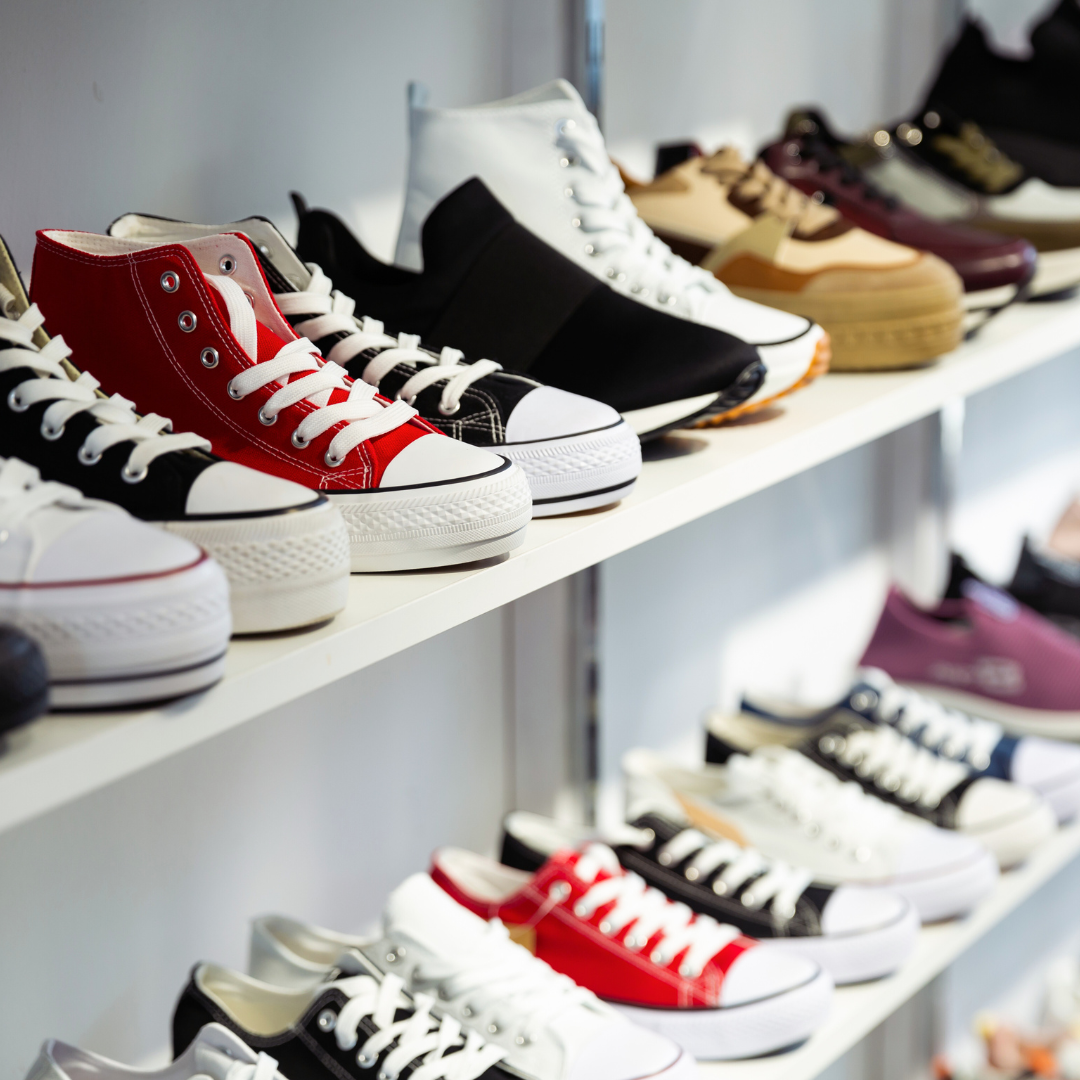
Finding shoes that balance comfort and style for everyday wear can be challenging. Many shoes prioritize one over the other, leaving you to compromise either your foot support or your appearance. The best shoes for everyday comfort and style offer solid cushioning, breathability, and a sleek look that complements various outfits.
These shoes should fit well, support your feet throughout long days, and maintain a versatile design suitable for different settings. Whether you need sneakers, loafers, or casual boots, there are reliable options designed for extended wear without sacrificing aesthetics.
Choosing the right pair means considering materials, sole design, and overall fit to enhance both comfort and style simultaneously. This article will guide you through the top picks that meet these standards.
Key Features of the Best Shoes for Everyday Comfort and Style
Comfort and style depend on a combination of technical features that support the foot without sacrificing appearance. Key elements include how the shoe cushions your step, the materials that manage airflow, the shape tailored to natural foot movement, and the construction quality for lasting wear.
Cushioning and Support
Effective cushioning absorbs impact, reducing stress on joints during daily activities. Look for midsoles made from EVA foam or gel inserts that provide both softness and responsive bounce.
Arch support varies by foot type but remains crucial for preventing fatigue and discomfort. Shoes with contoured footbeds help maintain proper alignment, minimizing strain over time.
Heel padding adds extra protection where pressure concentrates. Balanced cushioning throughout the shoe ensures stability while prioritizing a lightweight feel to avoid heaviness during all-day wear.
Breathable Materials
Breathability controls moisture and temperature, essential for foot health and comfort. Mesh uppers and knit fabrics promote air circulation, reducing sweat buildup.
Natural materials such as leather offer moderate breathability combined with durability, but often include perforations or lining enhancements for better airflow.
Moisture-wicking linings complement breathable uppers by drawing sweat away from the foot. This combination prevents odors and keeps feet dry in varied weather conditions.
Ergonomic Design
An ergonomic shoe follows the contours of the foot, accommodating natural toe splay and heel shape. This reduces pressure points and friction that can cause blisters.
Flexible soles adapt to walking motions, encouraging a smoother stride and reducing fatigue. Balanced weight distribution within the shoe prevents uneven wear.
Features like a wider toe box and padded collars improve fit without compromising structure. Ergonomics also embraces shock absorption technologies strategically located where the foot impacts the ground most.
Durability
Durability ensures the shoe maintains its shape and function over time despite regular use. High-quality outsole materials like rubber resist abrasion and provide traction on multiple surfaces.
Reinforced stitching and sturdy adhesives prevent early separation of upper components. Durable uppers combine strength with flexibility to avoid cracking or tearing.
Water-resistant coatings or treatments can extend lifespan, especially for shoes worn outdoors. Check for warranty or brand reputation regarding long-term wear as an indicator of reliability.
Top Shoe Types for All-Day Comfort
Choosing shoes that offer both comfort and style is essential for daily wear. Key considerations include cushioning, support, material breathability, and ease of use. Different designs cater to various needs, from active walking to casual office environments.
Sneakers and Trainers
Sneakers and trainers excel in providing cushioning and shock absorption. They typically have foam midsoles and padded insoles, which reduce foot fatigue during long hours of standing or walking. Breathable mesh uppers improve ventilation, keeping feet cool.
Many models offer good arch support and flexible soles, necessary for natural foot movement. They are versatile, suitable for casual outfits or light physical activities. Lace-up designs ensure a secure fit, while some brands include memory foam for added softness.
Loafers and Slip-Ons
Loafers and slip-ons focus on convenience without sacrificing comfort. Their slip-on design makes them easy to put on and remove, ideal for busy routines or work environments requiring quick changes.
Look for versions with cushioned footbeds and flexible rubber soles. Premium leather uppers mold to the foot over time, improving fit and durability. Many include elastic side panels or stretch materials for enhanced flexibility. These shoes balance professional appearance with all-day ease.
Low-Profile Boots
Low-profile boots offer robust support in a streamlined silhouette. They often feature padded collars, cushioned insoles, and durable outsoles for traction and stability. This makes them suitable for varied terrains or cooler weather.
Materials like full-grain leather provide durability and water resistance, while breathable linings control moisture. These boots maintain a stylish edge without bulk, fitting well under pants or jeans. They typically have a lace-up front for personalized adjustment and added ankle support.
Style Considerations in Everyday Shoe Choices
Choosing shoes involves balancing appearance with practical needs. Color, design, and how shoes complement clothing all play significant roles in daily wear.
Versatile Color Options
Neutral colors like black, brown, gray, and navy provide flexibility. These shades can easily match various outfits, reducing the number of shoes needed for different occasions.
Earth tones and muted colors often work well year-round. For casual settings, versatile options include white or beige sneakers, which pair with everything from jeans to casual dresses.
Avoid overly bright or unusual colors for everyday wear, as they can limit outfit combinations. Shoes in classic tones maintain lasting style and support efficient wardrobe planning.
Classic Versus Modern Designs
Classic shoe designs feature clean lines and simple shapes, such as loafers, brogues, or plain sneakers. These styles tend to remain fashionable across seasons, making them a safe investment.
Modern designs often incorporate unique details like bold soles, mixed materials, or experimental shapes. They can add an edge but may clash with some outfits or quickly fall out of trend.
Choosing between these depends on personal style priorities. Combining classic structure with slight modern accents can provide both timeless appeal and current relevance.
Pairing Shoes with Outfits
For professional attire, leather shoes in polished finishes pair well with suits or business casual pieces. Matte or suede options work better for relaxed office environments.
Casual clothing like jeans and chinos is best complemented by sneakers, loafers, or minimal boots. Match shoe texture and color with belt and accessory choices for cohesive styling.
For dressier casual looks, shoes with subtle design elements enhance the outfit without overpowering it. Prioritizing harmony between shoe style and clothing fabric improves overall appearance.
Popular Brands Known for Comfort and Style
Several brands excel at combining comfort with style, offering shoes that perform well throughout the day. Their designs emphasize cushioning, support, and modern aesthetics, catering to a variety of needs and preferences.
Nike
Nike is recognized for its innovative technologies that enhance comfort without sacrificing style. Models like the Air Max and React series include responsive foam midsoles and air cushioning, which provide excellent impact absorption. The Flyknit uppers offer a snug, breathable fit, reducing weight while maintaining support.
Nike shoes often feature sleek, versatile designs suited for casual wear or light workouts. Their range covers various styles from running to lifestyle sneakers. This versatility makes Nike a go-to brand for those seeking day-long comfort combined with trend-conscious looks.
New Balance
New Balance focuses on fit, support, and durability, making it a favorite for everyday wear. Their use of ENCAP and Fresh Foam midsoles provides firm arch support alongside plush cushioning, which helps reduce foot fatigue.
Known for wider width options, New Balance serves customers needing customized fit solutions. Their shoes balance classic looks with practical features, including durable outsoles and breathable uppers. This brand appeals particularly to people who prioritize foot health alongside a clean, understated style.
Allbirds
Allbirds stands out with its commitment to sustainable materials and natural comfort. Their shoes feature wool and eucalyptus fiber uppers that are soft, moisture-wicking, and temperature-regulating. The Sugarcane-based foam soles offer lightweight, flexible cushioning.
The minimalist design of Allbirds shoes suits both casual and semi-formal settings. Ideal for people who want eco-friendly options that don’t compromise on comfort or style, Allbirds delivers shoes that require minimal break-in time while maintaining a modern look.
Tips for Choosing the Right Fit
Selecting shoes that provide comfort and style starts with ensuring they fit properly. Accurate measurements, understanding sizing systems, and trying shoes correctly are essential steps to avoid discomfort and maximize wearability.
Measuring Your Feet Correctly
Measure your feet at the end of the day when they tend to be largest. Stand on a piece of paper and trace the outline of each foot, keeping the pen upright and close to your skin.
Use a ruler or measuring tape to record the length from heel to the longest toe and the width at the widest part. Repeat this with both feet since one foot is often larger; always fit shoes to the larger foot.
Consider the shape of your foot, such as arch height and toe shape. Many brands provide width options (narrow, standard, wide) to accommodate different foot profiles.
Understanding Shoe Sizing
Shoe sizes vary by country and brand, so rely on exact foot measurements, not just labeled sizes. For example, a US 9 can differ between brands and styles.
Look at brand-specific size charts and compare foot length and width measurements rather than size numbers alone. Pay attention to width indicators such as B, D, or E for narrow, regular, and wide fits.
Remember that sizing may change by shoe type: running shoes usually fit tighter than casual shoes. Reading customer reviews about fit can provide additional insights.
Trying Shoes On Properly
Wear the socks you plan to use with the shoes during fitting. Shoes should provide about a half-inch space between your longest toe and the front.
Walk around and test for pressure points, slipping at the heel, or tightness across the instep. Shoes should hug your feet comfortably without causing numbness or pinching.
Check flexibility and arch support by bending the shoes. Avoid fitting shoes only based on how they look; prioritize comfort and fit over appearance during the trial.
Caring for Your Everyday Shoes
Proper care extends the life and appearance of everyday shoes. Regular cleaning and storing shoes appropriately prevent damage and maintain comfort. Attention to specific materials and storage conditions is crucial.
Cleaning and Maintenance
Cleaning frequency depends on the shoe material and usage. For leather shoes, use a soft cloth to remove dirt and apply a leather conditioner every few weeks to prevent cracking. Avoid excessive water exposure as it damages the leather.
Fabric shoes benefit from spot cleaning with mild soap and water. Use a soft brush to lift dirt without harming the fibers. For sneakers, removable insoles and laces should be washed separately to maintain freshness.
Dry shoes naturally at room temperature. Avoid direct heat sources like radiators or sunlight, which can warp or fade materials. Regularly check soles and heels for wear, replacing or repairing as needed to preserve support and comfort.
Proper Storage
Keep shoes in a cool, dry place to avoid mold and material degradation. Use shoe trees for leather and dress shoes to maintain shape and prevent creases. For fabric and casual shoes, stuffing with acid-free tissue paper works as an alternative.
Store shoes individually in cloth bags or original boxes to protect from dust and scratches. Avoid stacking heavy shoes on top of lighter pairs to prevent deformation. Rotating pairs daily helps shoes dry out fully and extends their overall lifespan.
Seasonal Considerations for Everyday Footwear
Selecting the right everyday shoes depends on the weather conditions you face. Breathability, material, and support need to adjust with temperature changes and seasonal challenges.
Warm Weather Options
In warm weather, shoes should prioritize breathability to prevent moisture buildup and discomfort. Look for materials like mesh or canvas that allow air circulation while keeping feet cool.
Lightweight soles that offer cushioning without retaining heat improve comfort. Slip-on sneakers and breathable sandals provide versatility. Consider shoes with moisture-wicking insoles to reduce sweat and odor.
Color also matters; lighter tones reflect heat better, helping to keep feet cooler during hot days. Avoid heavy or non-breathable materials like thick leather, which can cause overheating and blistering.
Cold Weather Choices
Cold-weather footwear focuses on insulation, water resistance, and traction. Materials like waterproof leather or treated synthetics protect against moisture from snow or rain.
Insulated linings, such as fleece or Thinsulate, retain warmth without bulk. Boots with firm soles and good tread prevent slipping on ice or wet surfaces.
Look for shoes with sealed seams to block cold air and moisture. High-top and mid-calf designs offer added protection and warmth around the ankles.
Choose styles that combine functionality with comfort, avoiding designs that sacrifice support for style in harsh weather.
Sustainable and Eco-Friendly Shoe Options
Choosing shoes made with sustainable materials and responsible manufacturing helps reduce environmental impact without sacrificing comfort or style. Factors like material sourcing and factory practices are key to making eco-friendly choices.
Recycled Materials
Many brands now use recycled polyester, rubber, and foam to create durable shoe components. For example, shoes with uppers made from recycled plastic bottles reduce landfill waste and limit virgin polyester production.
Recycled rubber outsoles maintain traction and longevity while diverting tires or industrial rubber from pollution. Some shoes incorporate foam made from recycled polyurethane, which offers cushioning comparable to new foam.
Using recycled materials often lowers carbon emissions and water consumption during production. Consumers benefit from shoes that remain comfortable and stylish but with a smaller environmental footprint.
Ethical Manufacturing Practices
Ethical manufacturing involves transparency and fair labor standards. Brands committed to this ensure safe working conditions and fair wages for factory workers. Many provide detailed supply chain information publicly.
Factories adopting energy-efficient machinery reduce resource use. Others implement water recycling systems to curb waste. Certifications like Fair Trade or B Corp can help identify reliable, ethical brands.
This focus means shoes are produced not just with the planet in mind but also with respect for people. It appeals to buyers wanting to support companies prioritizing social responsibility.