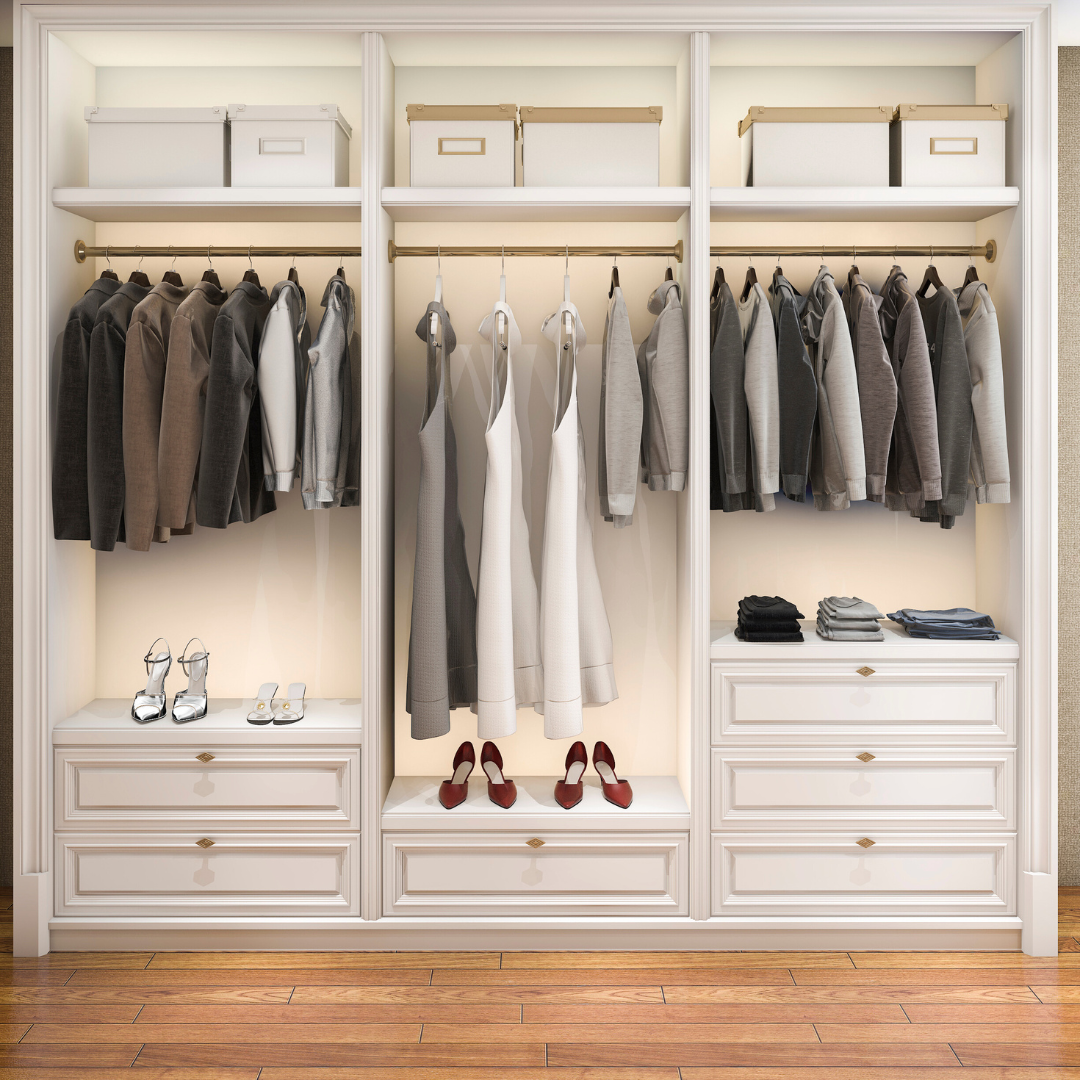
Building a timeless wardrobe means investing in versatile, high-quality pieces that never go out of style. Focus on classic designs, neutral colors, and durable fabrics to create a collection that works for any occasion and season. This approach helps avoid the constant need to replace trendy items and saves both money and time.
Choosing the right essentials is key—think well-fitted basics like a white button-down shirt, tailored trousers, and a dependable pair of shoes. Paying attention to fit and craftsmanship ensures your clothes look polished year after year.
Defining a Timeless Wardrobe
A timeless wardrobe focuses on lasting style, practical versatility, and high-quality pieces that adapt through seasons and trends. It values simplicity and durability over fleeting fashion fads, aiming to meet daily needs with fewer, more thoughtful garments.
Key Characteristics
A timeless wardrobe centers on neutral colors like black, white, navy, gray, and beige. These shades mix easily and suit various occasions. It includes classic silhouettes such as tailored blazers, well-fitted jeans, white button-down shirts, and simple sweaters.
Quality fabrics—cotton, wool, silk, and linen—are essential for longevity and comfort. Versatility is crucial; items should work for work, casual settings, and social events. The fit must be flattering without being tied to current trends, ensuring pieces remain appropriate year after year.
Common Misconceptions
A timeless wardrobe is not about wearing dull or boring clothes. It allows for personality through texture, pattern, and subtle details as long as they remain understated and wearable long-term.
It’s also a misconception that timeless means expensive. While quality matters, it can come from thoughtfully chosen, affordable brands or carefully curated vintage pieces. Building a timeless wardrobe is about smart investment and maintenance rather than constant shopping or flashiness.
Lastly, timeless does not imply a large quantity of clothes. The focus is on fewer but better items that cover all functional needs without excess.
Long-Term Value
Investing in timeless pieces minimizes the need for frequent replacements, reducing overall spending and waste. Durable items require less repair or disposal, making the wardrobe sustainable.
Timeless pieces retain their style and often their resale value. This creates opportunities to recover some cost when rotating or upgrading your wardrobe.
Versatility saves time and decision fatigue by simplifying outfit choices. This practical advantage enhances daily confidence and efficiency in dressing for any occasion.
Essential Pieces for a Timeless Closet
Building a lasting wardrobe depends on selecting items that combine durability with style. Prioritize pieces that adapt to various occasions and pair well across different seasons.
Classic Tops and Shirts
Start with crisp white button-down shirts—they work in professional and casual environments. Neutral colors like black, navy, and gray are essential for turtlenecks and crew necks, providing layering options. A well-fitting striped shirt offers subtle pattern variety without overwhelming your look.
Look for quality fabrics such as cotton, linen, or silk blends that hold shape over time. Avoid overly trendy cuts or prints to ensure longevity. Fit should be tailored but comfortable, emphasizing clean lines. Stick to pieces that transition easily from day to night.
Versatile Bottoms
A pair of dark straight-leg jeans anchors many outfits and suits diverse occasions. Tailored trousers in black, navy, or charcoal serve well for work or dressier settings. For more relaxed days, chinos in earth tones offer comfort and style.
Fabric choice matters—opt for durable cotton blends or wool for colder months. Fit is critical: pants should offer ease of movement without excess fabric. Consider hem length and waist rise to maintain a polished silhouette. Avoid fast-fashion styles that lose shape after washing.
Foundational Outerwear
A classic trench coat in beige or navy provides waterproof protection with timeless appeal. Wool overcoats in charcoal or camel deliver warmth and sophistication in winter. A leather jacket in black or brown adds an edge while remaining versatile.
Focus on quality materials with sturdy construction, such as reinforced seams and durable hardware. Outerwear should complement the rest of the wardrobe by favoring simple, classic cuts. Ensure proper fit across the shoulders and chest to avoid bulkiness. Choose styles that can be worn over multiple layers comfortably.
Selecting Quality Materials
Choosing the right materials impacts the longevity and appearance of your wardrobe. Understanding fabric composition and quality helps avoid frequent replacements and maintains a polished look.
Natural vs. Synthetic Fabrics
Natural fabrics like cotton, wool, silk, and linen are derived from plants or animals. They breathe well, offer better comfort, and generally age with character. Wool suits and cotton shirts often develop a unique feel and look over time.
Synthetic fabrics such as polyester, nylon, and acrylic are man-made. They resist wrinkles and stains and tend to be more affordable. However, they may trap moisture, cause discomfort, or degrade after repeated washes.
Blends combine natural and synthetic fibers to balance durability, comfort, and cost. When building a timeless wardrobe, prioritizing natural fibers for key pieces like coats or dress shirts is advisable due to their resilience and classic appearance.
| Fabric Type | Pros | Cons |
| Cotton | Breathable, soft | Wrinkles easily |
| Wool | Warm, durable | Requires special care |
| Polyester | Wrinkle-resistant, cheap | Less breathable |
| Blends | Balanced properties | Quality varies |
Evaluating Fabric Durability
Durability depends on fiber strength, weave, and fabric weight. Denser weaves like twill or canvas withstand wear better than loose weaves like chiffon or voile.
Check the fabric’s GSM (grams per square meter) to gauge thickness. Higher GSM generally means more durability but may reduce breathability. For example, a wool suit fabric between 250-350 GSM is ideal for durability and comfort.
Also, examine the fabric’s finish. Mercerization in cotton or super-wool treatments can enhance strength and longevity without sacrificing feel. Avoid overly flimsy fabrics that wrinkle or pill quickly, especially for frequently worn pieces.
Inspect fabric for pilling tendencies or tensile strength if possible. Strong fibers and tight weaving deliver longer-lasting garments suitable for a timeless collection.
Choosing a Neutral Color Palette
Selecting a neutral color palette is a practical approach to ensure your wardrobe remains flexible and easy to style. Neutrals create a solid base for outfits that can adapt to multiple occasions. Understanding their benefits and mastering how to combine them can simplify daily dressing.
Benefits of Neutrals
Neutrals like black, white, gray, beige, and navy offer versatility unmatched by other colors. These shades rarely go out of style and work across seasons. Using neutrals reduces decision fatigue since pieces pair easily with each other.
They also provide a clean, polished look suitable for both casual and formal settings. Investment in quality neutral staples ensures pieces can withstand changing trends. Neutrals focus attention on fit and fabric rather than loud colors or patterns.
Mixing and Matching Colors
Effective mixing involves combining different neutral tones to add depth without clashing. For example, pairing camel with navy creates contrast while remaining understated. Layering varying textures—like wool with cotton—enhances interest without adding color.
Avoid overloading on one neutral; instead, balance light shades with darker ones to define your silhouette. Incorporate subtle accessories or a pop of muted color if desired, but keep the foundation neutral for maximum flexibility. This strategy streamlines outfit decisions and keeps your wardrobe cohesive.
Proper Fit and Tailoring
Achieving a proper fit is crucial for a wardrobe that lasts both in style and comfort. Small adjustments can dramatically improve how your clothes look and feel. Knowing when and how to tailor pieces ensures every item works for your body shape and size.
Importance of Fit
Fit directly affects both appearance and comfort. Clothes that are too tight can restrict movement and create unflattering lines, while overly loose garments often look sloppy or oversized. Key areas to check are shoulders, waist, sleeve length, and pant hems.
A jacket’s shoulder seam should align precisely with your natural shoulder edge. Shirts should allow about an inch of extra room around the chest without bunching. Pants should break just above the shoes, avoiding excess fabric pooling. Proper fit enhances your silhouette and elevates your overall presence.
When to Tailor
Tailoring is necessary whenever off-the-rack clothing doesn’t meet your body measurements. Even well-made items often require adjustments like hemming pants, tapering sleeves, or taking in the waist.
Prioritize tailoring in garments worn frequently or for special occasions, such as blazers, dress shirts, and trousers. Casual items can tolerate small imperfections but will still benefit from minor fixes. Investing in tailoring extends the usability of each piece, making your wardrobe more versatile.
Building Around Your Personal Style
Understanding your personal style helps create a wardrobe that fits your life and preferences. It focuses your choices on what truly suits you, mixing pieces that last with occasional updates.
Identifying Core Styles
Start by analyzing the clothes you wear most often. Look for patterns in color, silhouette, and fabric. These reveal your core style, whether classic, minimalist, bohemian, or sporty.
Create a simple list of styles that appeal to you based on your lifestyle and personality. Then, narrow it down by trying on outfits or gathering inspiration from magazines or online sources. The goal is clarity on what makes you feel comfortable and confident daily.
A visual mood board can help. Collect images and outfits that resonate with you to identify key themes. This clarity prevents impulse buys and keeps your wardrobe cohesive.
Balancing Trends and Longevity
Incorporate trends selectively. Choose pieces that enhance your core style rather than replace it. For example, if you focus on classic pieces, a trendy handbag or shoes can add freshness without overwhelming your look.
Focus on quality in staple items like trousers, blazers, and shoes. These should withstand seasonal changes long after trends fade. Avoid buying multiple trend-based items at once to maintain budget and wardrobe balance.
Use a simple table to decide which trends to adopt:
| Trend Item | Fits Core Style? | Longevity (1-5 years) | Investment Worthy? |
| Chunky Sneakers | No | 1 | No |
| Tailored Blazer | Yes | 5 | Yes |
| Statement Belt | Yes | 2-3 | Maybe |
This approach helps protect your style’s integrity while staying relevant.
Accessories that Stand the Test of Time
Choosing accessories that maintain style and functionality over the years is crucial. Focus on quality materials, classic design, and versatility to ensure your pieces remain relevant and useful. Details like craftsmanship and brand reputation often indicate longevity.
Timeless Shoes
Invest in shoes made from durable materials such as full-grain leather or high-quality suede. Styles like classic oxfords, loafers, and simple ankle boots work across multiple outfits and seasons. Avoid overly trendy designs that quickly go out of fashion.
Look for neutral colors—black, brown, navy, or beige—since they complement many wardrobes. Proper maintenance, including regular cleaning and sole replacement, extends their life. A well-constructed shoe with leather soles or sturdy rubber lasts decades.
Classic Bags
Select bags with structured shapes and minimal hardware. Designs such as a leather tote, a small crossbody, or a sleek briefcase hold their appeal even as trends evolve. Choose bags made from full-grain or vegetable-tanned leather for both durability and patina development.
Neutral tones like black, tan, or deep burgundy provide maximum adaptability. Pay attention to stitching and hardware quality; solid zippers and rivets prevent early damage. A classic bag balances form and function without excessive branding or decoration.
Understated Jewelry
Opt for simple metal pieces in gold, silver, or platinum that complement various outfits. Thin chains, small hoop earrings, and plain bands tend to have a timeless appeal. Avoid oversized or overly ornate designs that lose relevance quickly.
Quality metals and genuine gemstones resist tarnishing and damage. Proper care—storing separately and cleaning regularly—preserves appearance. Jewelry should subtly enhance the wearer’s style rather than overpower it, ensuring smooth integration into any look.
Maintaining Your Wardrobe
Keeping a timeless wardrobe in good condition requires attention to how you store and clean your clothing. Proper techniques extend the life of your pieces and preserve their appearance.
Proper Storage Tips
Store garments in a cool, dry place away from direct sunlight to prevent fading and fabric damage. Use padded or wooden hangers for delicate items like silk blouses or structured jackets to maintain their shape.
Avoid overcrowding your closet to reduce wrinkles and allow air circulation. Fold heavy sweaters and knitwear instead of hanging them to prevent stretching. Use breathable garment bags for seasonal items to protect them from dust and pests while allowing ventilation.
For shoes, keep them in individual boxes or use shoe racks with ventilation. Insert shoe trees to retain form. Consider cedar blocks or lavender sachets as natural repellents for moths and odors.
Cleaning and Care Essentials
Follow care labels on every piece; this guidance is crucial for fabric longevity. Hand wash or use gentle cycles for delicate materials like wool and cashmere. Avoid harsh detergents; opt for specialized or mild formulas.
Regularly spot clean stains to avoid permanent marks. Air out items before storing to prevent mildew. Dry-clean suits and coats only when necessary to reduce wear on fabrics.
Proper ironing or steaming removes wrinkles without damaging fibers. Use a pressing cloth for delicate textiles. Tailored pieces benefit from professional maintenance, including minor repairs to keep a sharp look.
| Fabric Type | Recommended Care | Storage Suggestion |
| Wool / Cashmere | Hand wash/gentle cycle | Folded, away from light |
| Silk | Dry clean or hand wash | Padded hanger, breathable bag |
| Cotton | Machine wash, cold water | Fold or hang, avoid excess heat |
| Leather | Wipe clean, condition | Cool, dry place |
Sustainable and Ethical Choices
Building a timeless wardrobe involves selecting pieces that last, not just in style but in quality and impact. Sustainable and ethical fashion prioritizes materials and practices that reduce harm to the environment and support fair labor.
Choosing natural fibers like organic cotton, wool, or linen can decrease reliance on synthetic fabrics that contribute to pollution. These materials are often biodegradable and have a smaller carbon footprint.
Look for brands committed to transparent supply chains. Certifications such as Fair Trade, GOTS (Global Organic Textile Standard), and OEKO-TEX help identify products made under ethical working conditions and environmentally friendly processes.
| Benefit | Detail |
| Longevity | Durable fabrics reduce waste |
| Ethical labor | Fair wages and safe workspaces |
| Environmental impact | Lower carbon and water use |
Buying fewer but better-quality items also supports sustainability. Investing in versatile, well-made garments means less frequent replacement and reduced overall consumption.
Repairing and caring for clothes properly extends their life. Simple actions like following washing instructions and performing minor repairs align with the goal of a wardrobe designed to endure.
Focusing on sustainable and ethical choices ensures the wardrobe is not only timeless in style but also responsible in creation.
Curating and Updating Over Time
Building a timeless wardrobe is an ongoing process. It requires regular curation to keep your style relevant and aligned with your needs.
Begin by reviewing your wardrobe every season. Remove items that no longer fit, show wear, or no longer match your personal style. This helps maintain clarity and prevents clutter.
Focus on quality when adding new pieces. Prioritize items that enhance versatility and complement existing garments. Keep a list of wardrobe essentials to guide your purchases.
| Action | Purpose |
| Seasonal review | Assess fit, condition, relevance |
| Prioritize quality | Ensure longevity and style value |
| Maintain an essentials list | Guide focused shopping |
Updating your wardrobe does not require frequent overhauls. Instead, small, thoughtful additions work best. Experimentation with new trends should be limited and easily reversible.
Occasionally, reassess your style priorities. Changes in lifestyle or preferences might necessitate different clothing needs. Stay adaptive but consistent with your core wardrobe philosophy.